Less than 60 kilometres separate the Spanish coastal city of Vigo from the capital of Galicia, Santiago de Compostela, known to many as the final point and place of pilgrimage of the Camino de Santiago. Galicia is green and proverbially "fresh". While the rest of Spain suffered under an alarming heatwave in July 2023, summer temperatures here ranged between 19°C and 25°C with sunshine and regular rain. It is the rugged, northern, and highly verdant Atlantic coast of Spain.
Reducing this location to Europe's largest fish market and, by extension, to shark fishing is not enough. We have already visited this part of Vigo, and several reports exist on it. We returned to the site to present a series about Vigo over the coming weeks. Admittedly, these are snapshots—partly coincidental, partly intentional. Covering the positive aspects as well as the negative, the beautiful things as well as the terrible. Vigo 2023: a place that encompasses much, is highly ambivalent, and provokes thought.
A series.
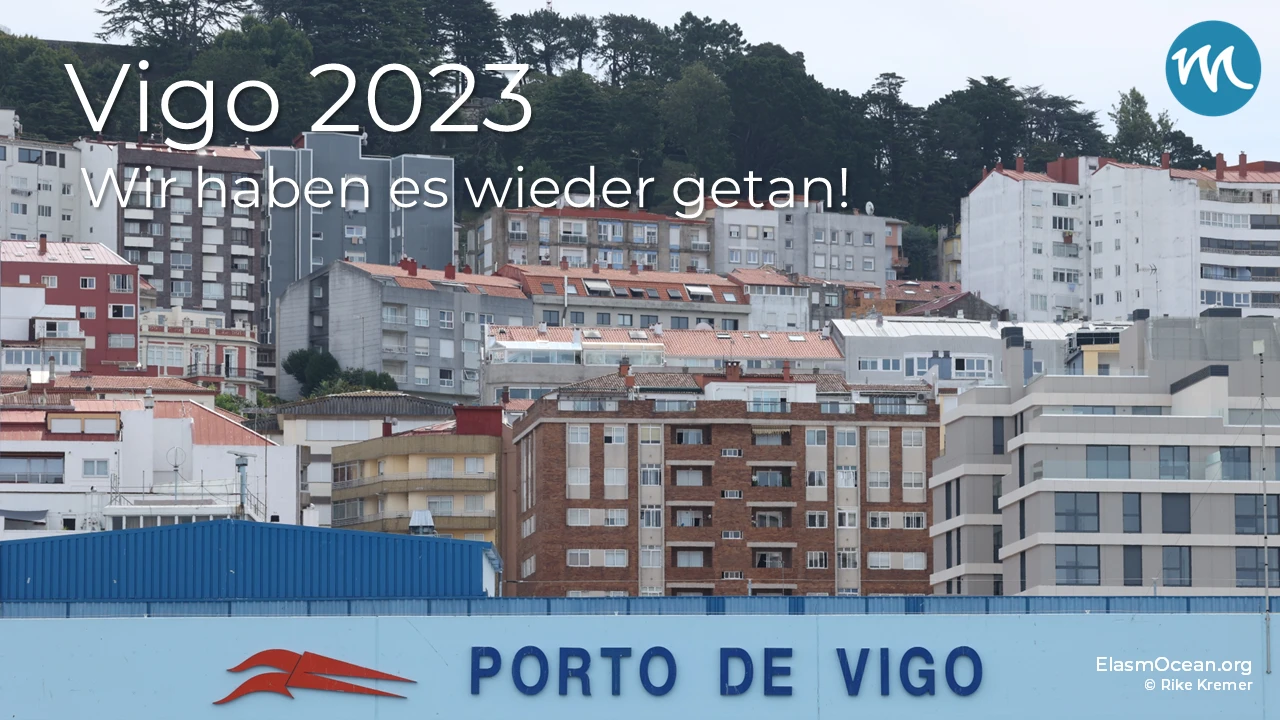
Porto de Vigo, the port.
For shark conservationists, the mention of Vigo primarily evokes bloody images of large quantities of dead sharks: unequivocally unpleasant and, for us as marine conservationists and members of the #StopFinningEU initiative, more moving than ever. However, Vigo is more than just the landing site for blue sharks. Yet, they were the main reason for our team to visit the city and the fish auction halls. On site, however, we became reflective: does Vigo need, does the city deserve, to be infamous solely as a shark transshipment hub? Could the city not have a different reputation? Would it not be positive if the city could exist even without shark carcasses?
We looked closer and discovered a place that also unites positive aspects, populated by many very friendly and sustainably-minded people. Vigo has around 300,000 inhabitants. The port is the origin and nucleus of the city. Almost everyone here lives with and from the port. The bay is dominated by shipyards, large warehouses, car loading terminals, the container port, and the large fish halls and fish trading companies. In the estuary lie hundreds of mussel farms. The actual city, with its historic centre, frames this on the steep slopes of the Verdugo delta.
Concrete walls can increase biodiversity.

One of the sustainability projects in the Port of Vigo is the trialling of so-called "E-Concrete", or ecological concrete. These are concrete panels designed to mimic the natural structures of rocks, thereby providing an ideal surface for kelp, algae, and other organisms such as mussels and sponges, which quickly colonise the concrete panels. Their settlement is followed by fish, crabs, lobsters, prawns, pipefish, and seahorses. Within three months, a new ecosystem has established itself here at "Nautilus", the observation platform in the Port of Vigo. It is already highly diverse, inviting optimistic speculation about what it will look like in a year. Life always finds a way if given a chance.
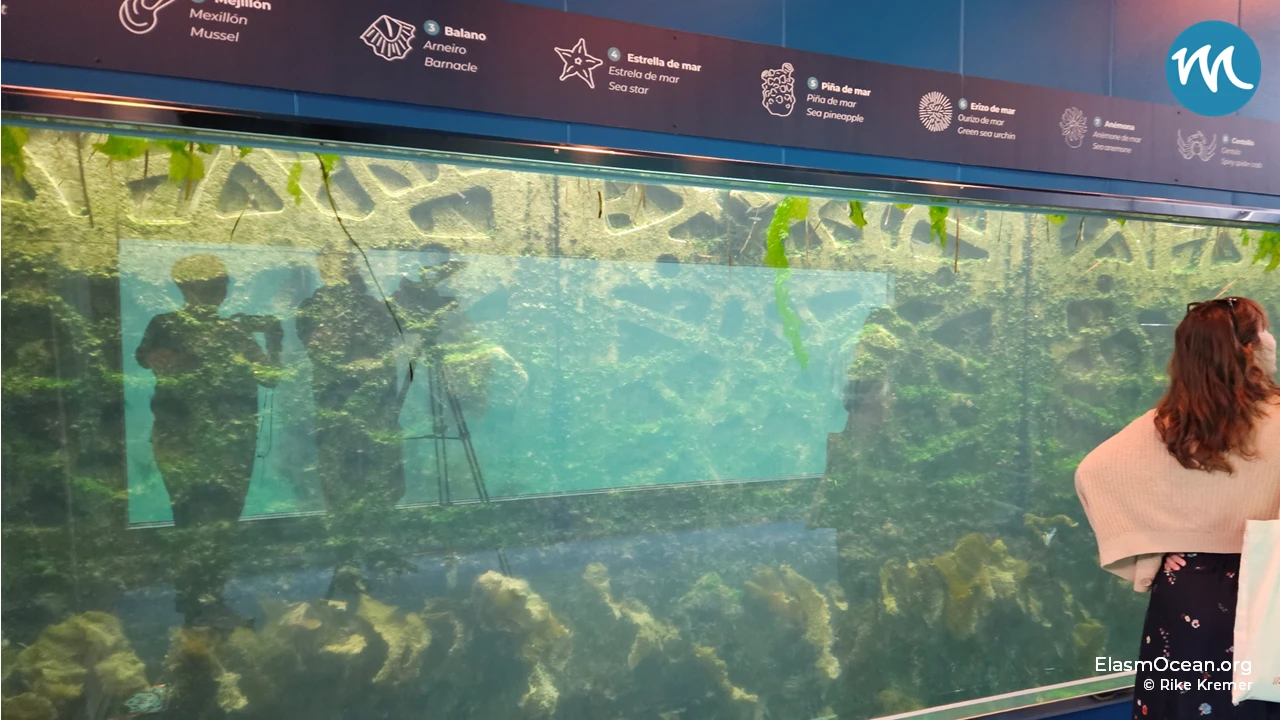
The president of the port, Mr Carlos Botana Lagaron, personally presented the project to us. He sees great potential in this to revolutionise ports worldwide as habitats. Bare concrete walls could give way to habitats in all areas where vessels do not permanently berth. We will continue to monitor the project, but find it highly sensible and hope for imitators!
The "Crab".
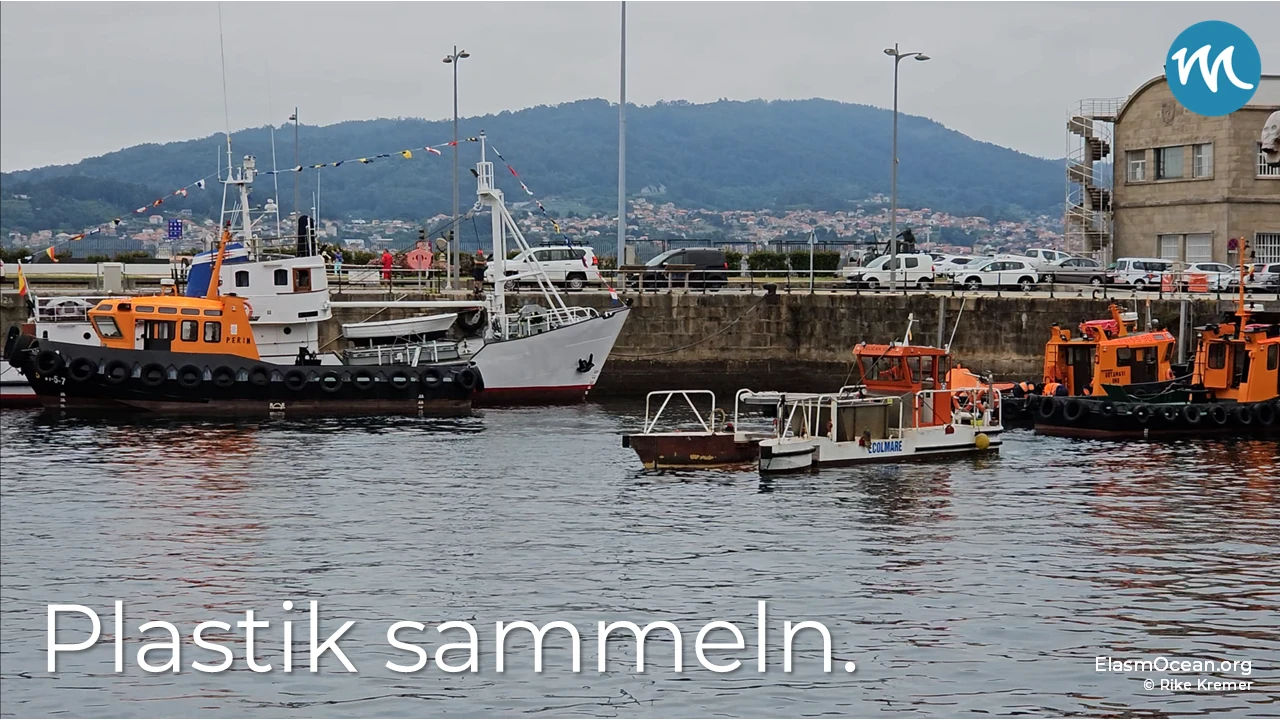
Plastic also presents a major issue in the Port of Vigo. Consequently, the port authority has commissioned a specialised vessel that regularly collects plastic within the port. Due to its shape, which resembles a crab claw, those in charge refer to it as the "Crab".
This concept, combined with the newly created habitat on colonised quay walls, could possess genuine potential. It is a matter of keeping the adversities of our civilisation somewhat in check until a definitive solution is found to prevent plastic from entering the oceans entirely.
The Harris's Hawk in the port.
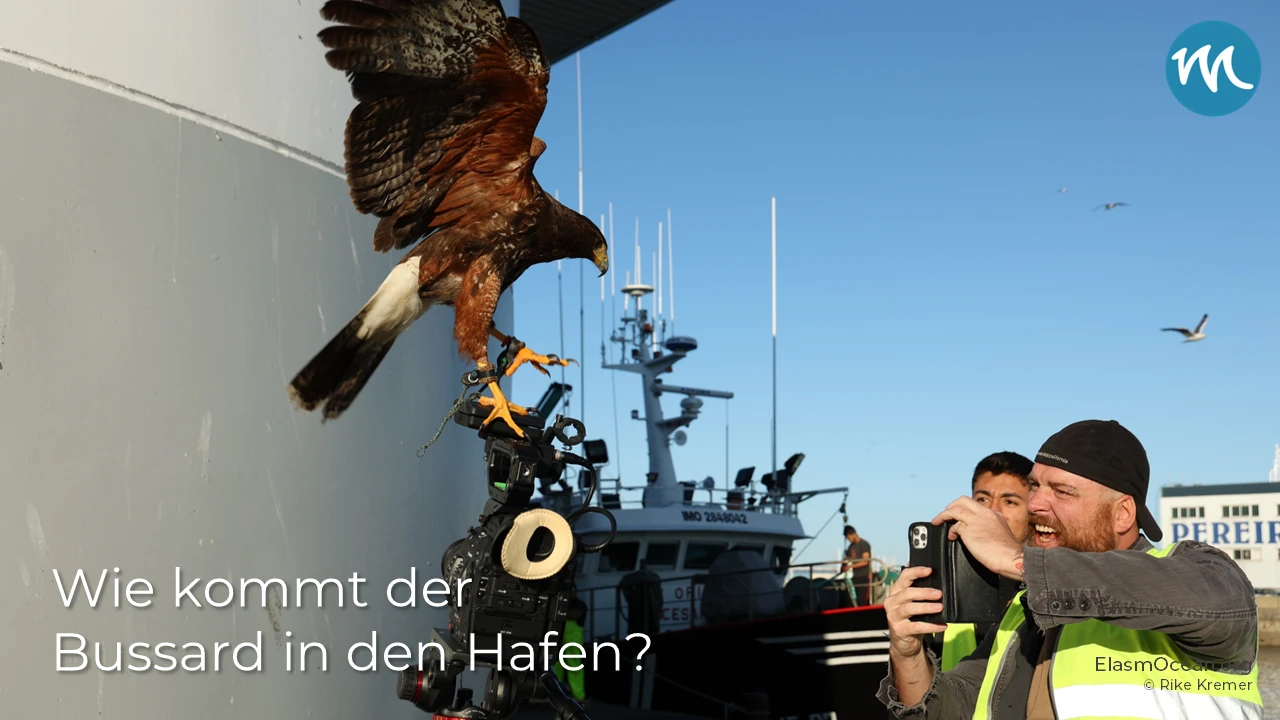
There are stories that only life itself can write. This is one of them. Imagine you are a cameraman. In a seaport. In front of you stands your highly expensive camera—and it threatens to tip over because a Harris's hawk has just landed on it! Hendrik Schmitt from "The Jetlagged" very audibly held his breath! Fortunately, both animal and camera survived the encounter undamaged. After a short pause, the female hawk returned to the arm of her falconer, Daniel.
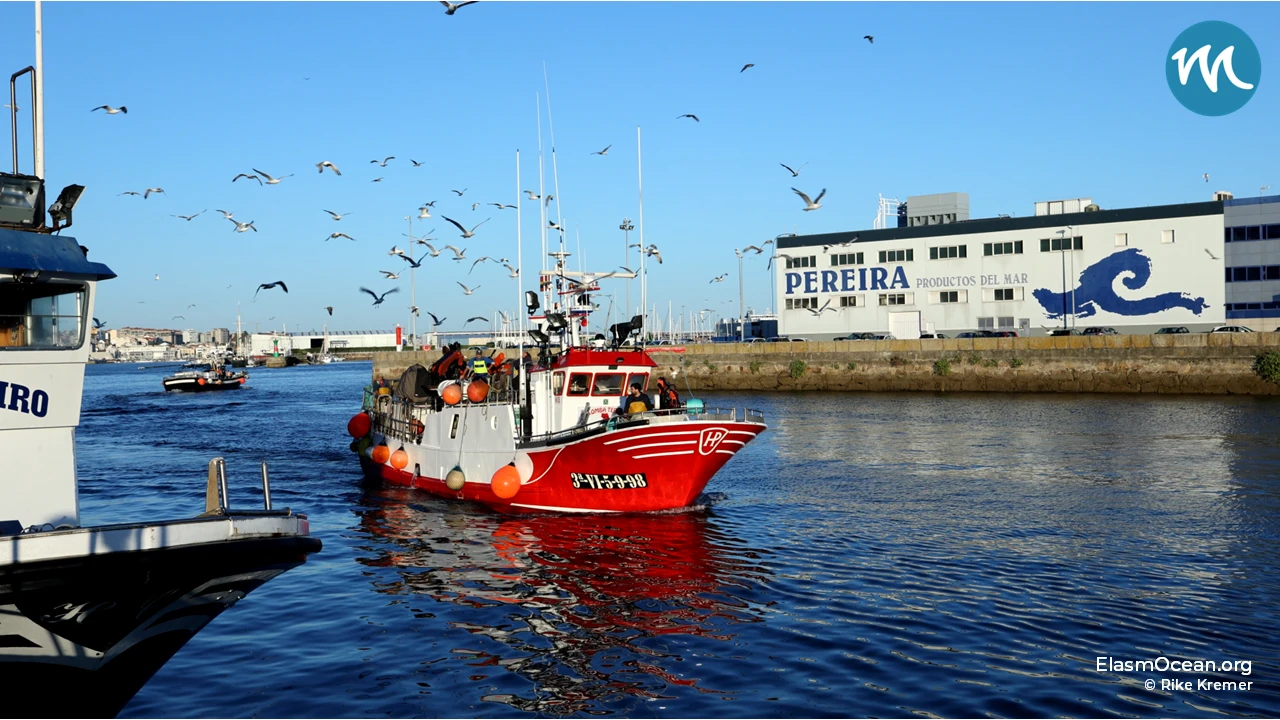
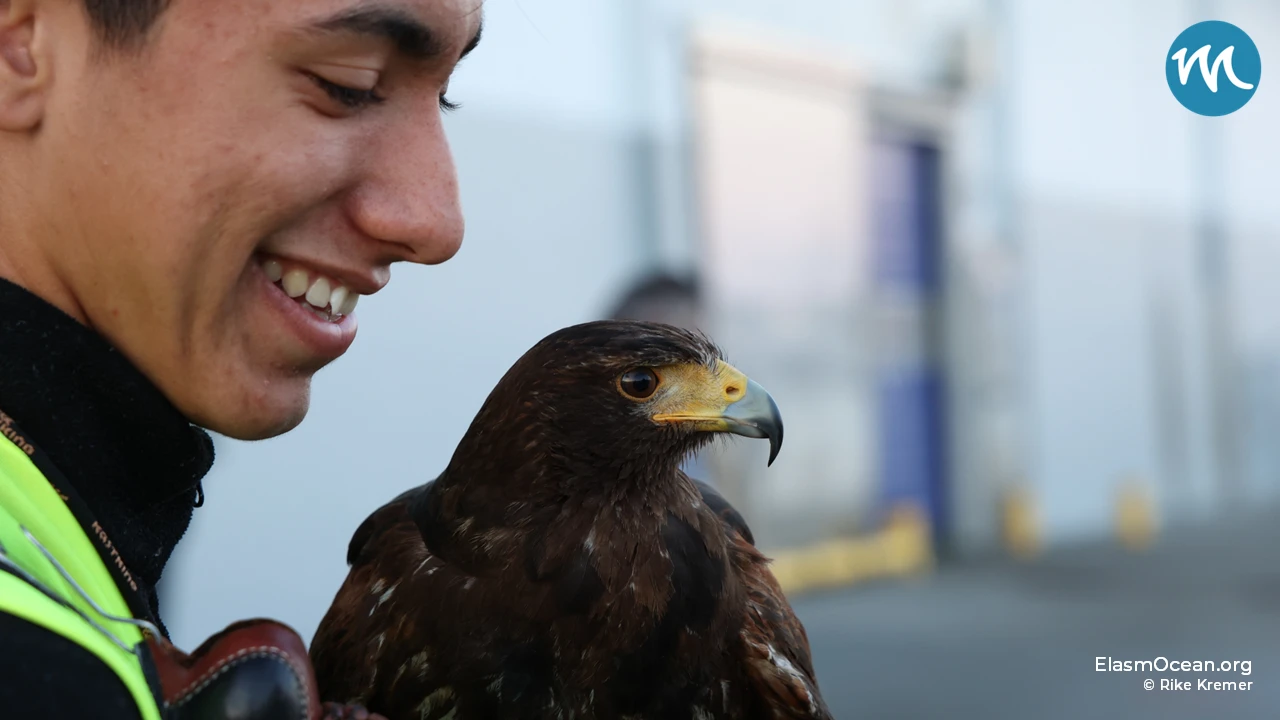
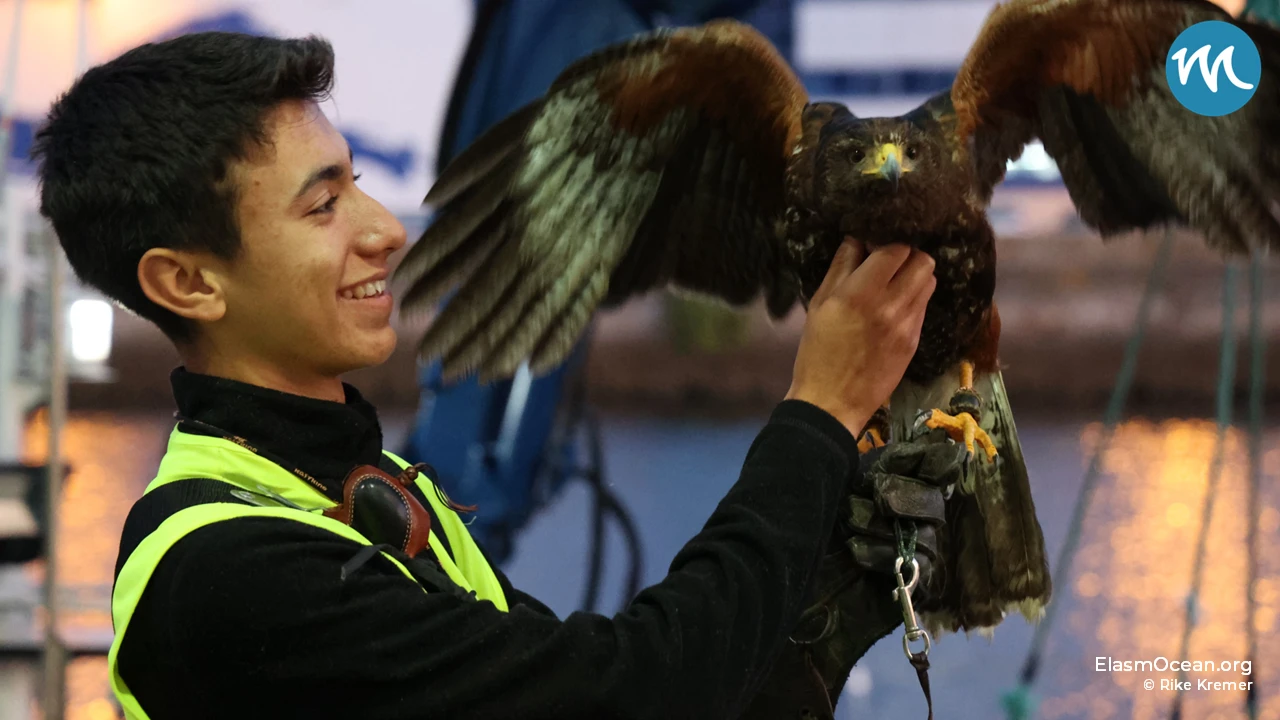
The task of the two Harris's hawks and their falconers in the Port of Vigo is highly practical: gulls, as permanent companions of sardine fishers in the port, can become quite aggressive when it comes to their food, fish. This is well known from the North Sea coast, where carelessly eating a fish roll on the promenade can lead to a painful lesson in how these large birds operate. The Harris's hawks deter the gulls in the Port of Vigo, allowing the fishers to unload in peace without being attacked by hundreds of surrounding gulls.
The Zé do Apache. Shark fishing! Unsustainable.
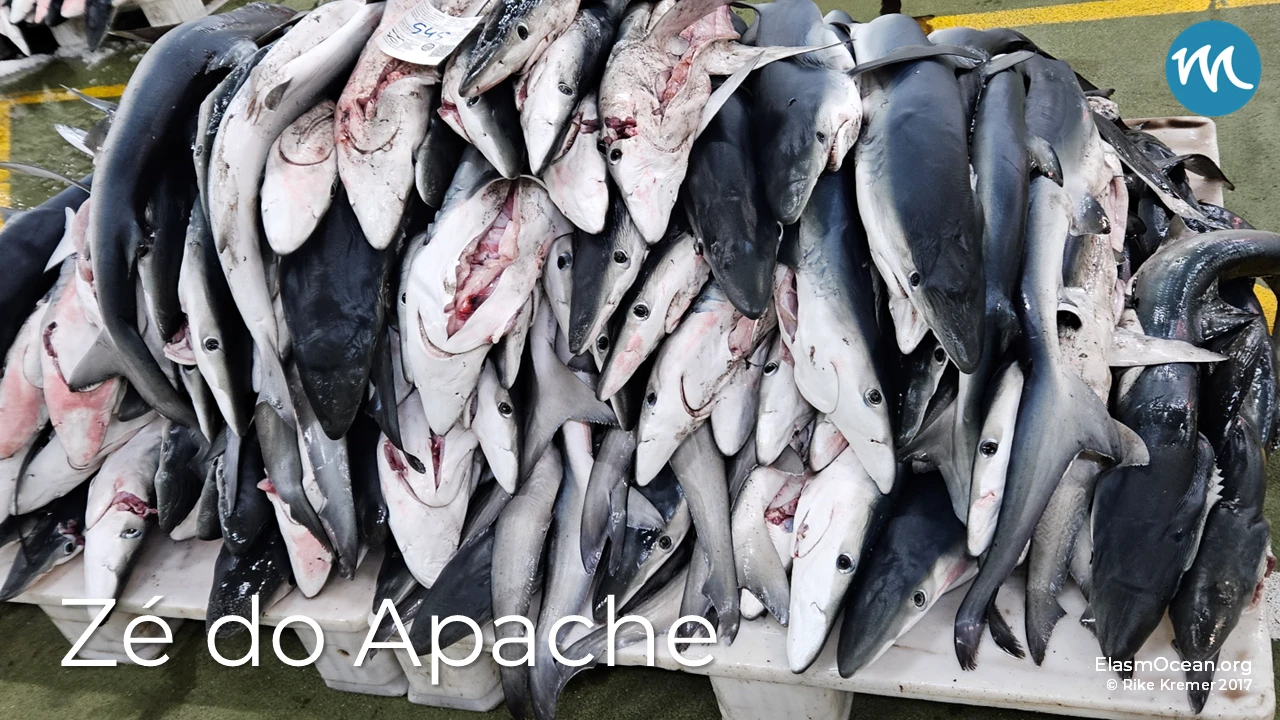
On 24 July 2023, the Portuguese longliner Zé do Apache landed sharks in Vigo, as it does almost every week. The alarming aspect of this vessel's catch was the demographic composition of the landed animals: approximately 1,300 extremely young blue sharks were stacked across 15 pallets. Barely born, and already on the longline hook!
The total weight on that day was just under 7.7 tonnes of blue shark. This included 9 sharks with an average weight of 43 kg each, and approximately 1,300 blue sharks weighing around 5 kg each.
It must not be forgotten that these blue sharks are bycatch—the fisher actually holds a licence for swordfish. He also brought back a single specimen of swordfish weighing 127 kg—and roughly 60 times that amount of "unwanted" bycatch! This is the sell-out of the North Atlantic!
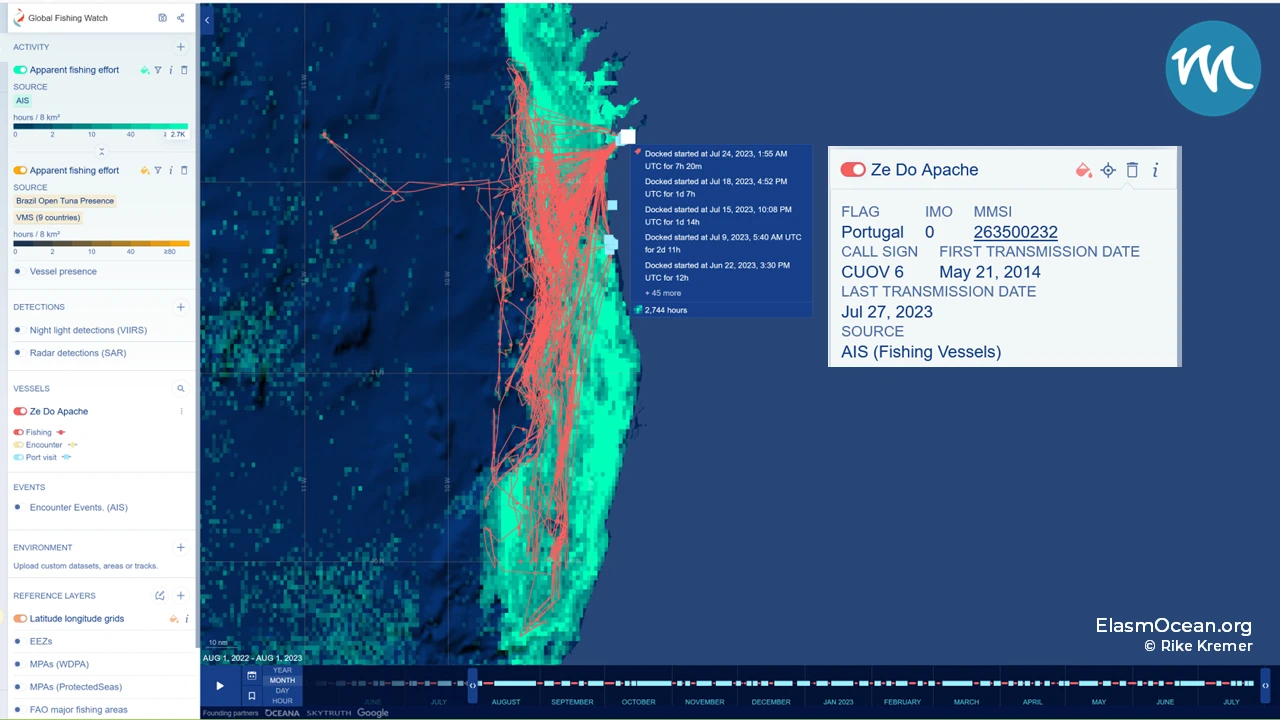
AIS data reveals why so many young, sexually immature sharks end up on the hook: the Zé do Apache fishes exclusively off the Portuguese coast in a known nursery ground for blue sharks. We firmly dispute that this catch is an "accidental event consisting almost entirely of bycatch". We allege absolute intent—this vessel set out to catch juvenile blue sharks.
This generation of sharks will be missing for the natural reproduction of the species in five to eight years, wiped out by a ruthless, unsustainably practised fishery that lands in Vigo almost weekly!
Sustainable small-scale local sardine fishery.
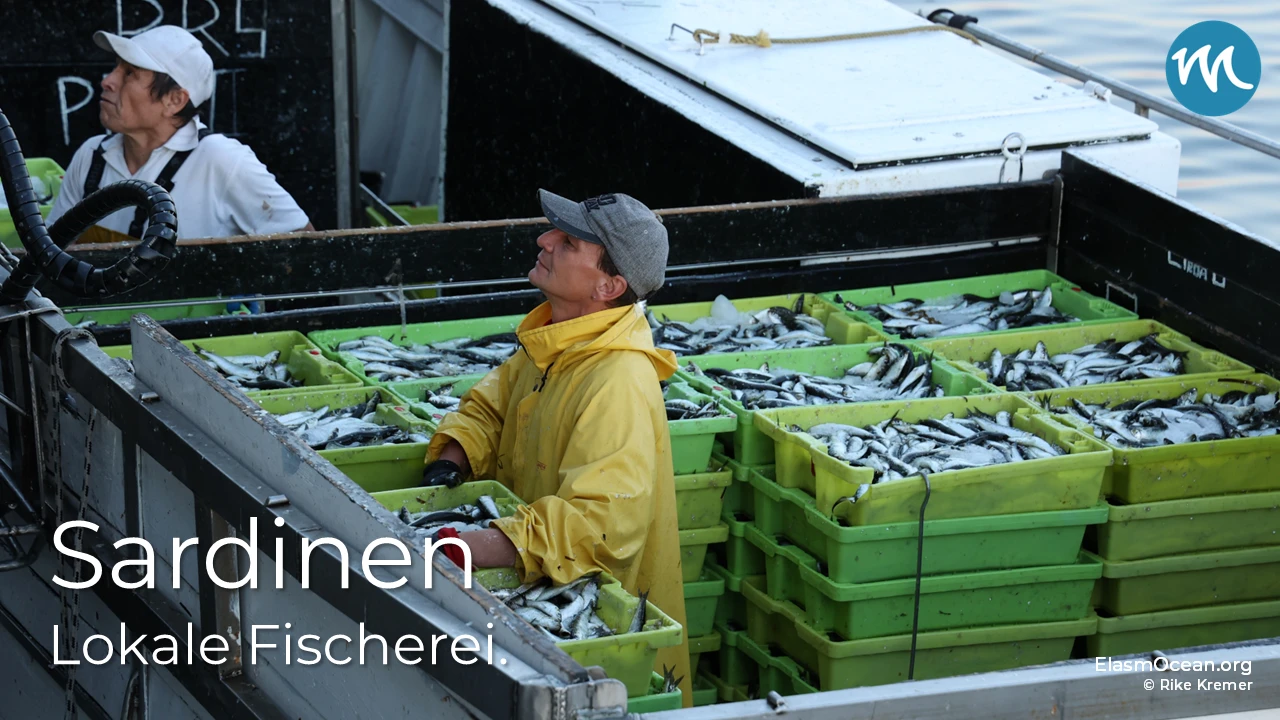
In the Port of Vigo, we met José Manuel S.A., captain of an 18-metre fishing vessel that targets sardines and mackerel using purse seine nets. José is a sustainably operating, local fisher, one of those suffering under the pressures of large-scale industrial fishing. He has been in the business for 40 years and has lived through turbulent times.
Not too long ago, he reports, sardine stocks collapsed completely due to overfishing. He speaks of large vessels that landed up to 80 tonnes of sardines and mackerel in Vigo back then. "They were allowed to do so at the time! And if you have a large vessel, you must operate profitably, so you must catch fish, even in those quantities," says José.
He himself operates a small vessel, with which he is currently permitted to fish four days a week under strict regulations. When stocks collapsed years ago, it meant seven hard years during which many small local fishers gave up and migrated to other fisheries and industries. Very strict restrictions were in place during this period. This was successful: once stocks recovered after seven years of protection, sardines were, and still are, highly abundant. Nevertheless, fishers must adhere to strict quotas, for which José has only limited understanding.
Modern technology, which did not exist years ago, allows him to determine precisely which school he is encircling with his purse seine, and what quantity of fish is inside the net. His vessel holds 3.2 tonnes of fish. All fish initially swim inside the purse seine; he releases the fish he cannot bring on board back into the sea alive. This represents a sustainable fishery regulated by strict quotas.
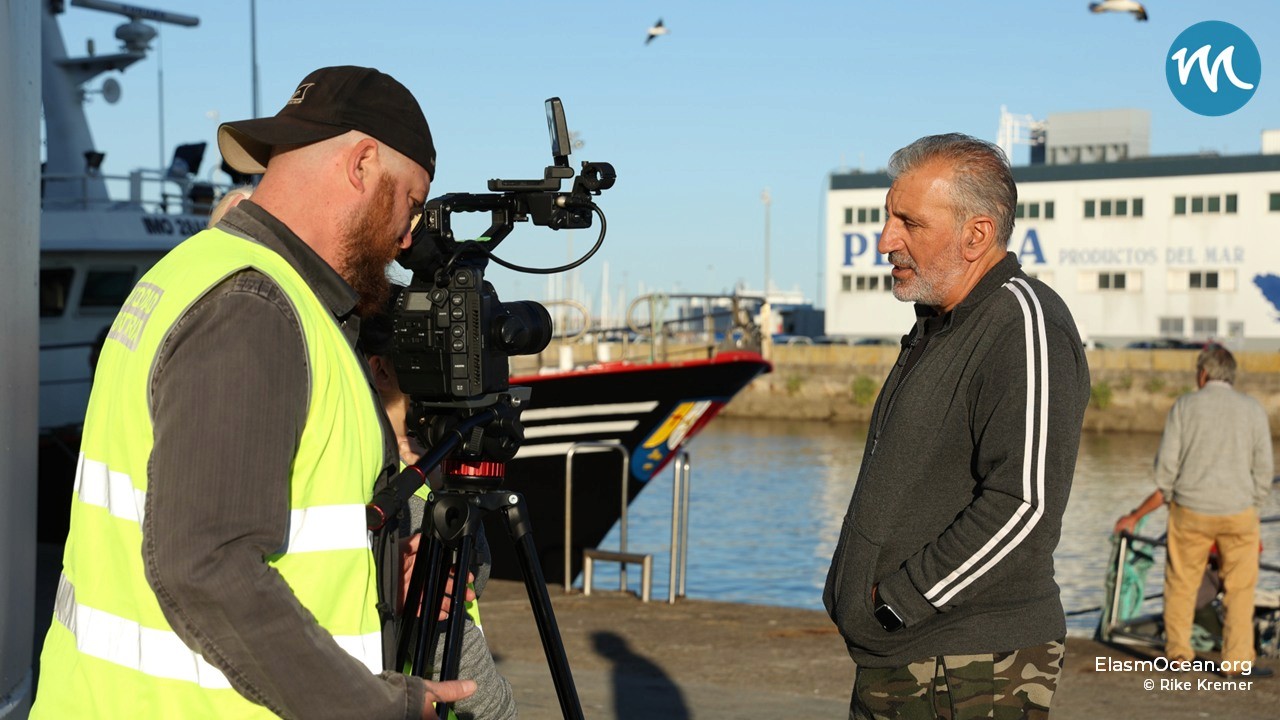
And yet, José faces significant worries. Sardines currently fetch an average of only 60 cents per kilogram at the fish auction in Vigo. With his 3.2 tonnes, he therefore earns just 2,000 euros per fishing trip, if all goes well. Out of this, he must maintain the vessel and fishing gear, and pay for fuel, taxes, and his crew. "A vessel like the Colomba, which I own, must earn an average of 4,000 euros a day with ten crew members, otherwise it becomes unprofitable. And we are only allowed out to sea four days a week, which is 16 days a month." José has grave concerns about eventually having to give up if this situation does not change.
Additionally, according to José, there are the large industrial trawlers from France and Norway, which also fish for sardines and mackerel with massive purse seines. No quotas are imposed on these industrial fisheries, which visibly angers José: "There must be a balance between sustainable fishing and the profitability of the business!"
(Free translation and summary of the interview conducted in Galician.)
We must agree with José's conclusion. He and the small-scale fisheries are not the problem; the issue lies with the industrial fishing vessels, up to 140 metres in length, that are emptying the oceans.
We encountered a very personable fisher who fears for his livelihood, despite the fact that he could represent a sustainable solution to the problem, if only he were permitted to do so.
The Fascinios do Mar, vessel registration: PTVIC-113721-C.
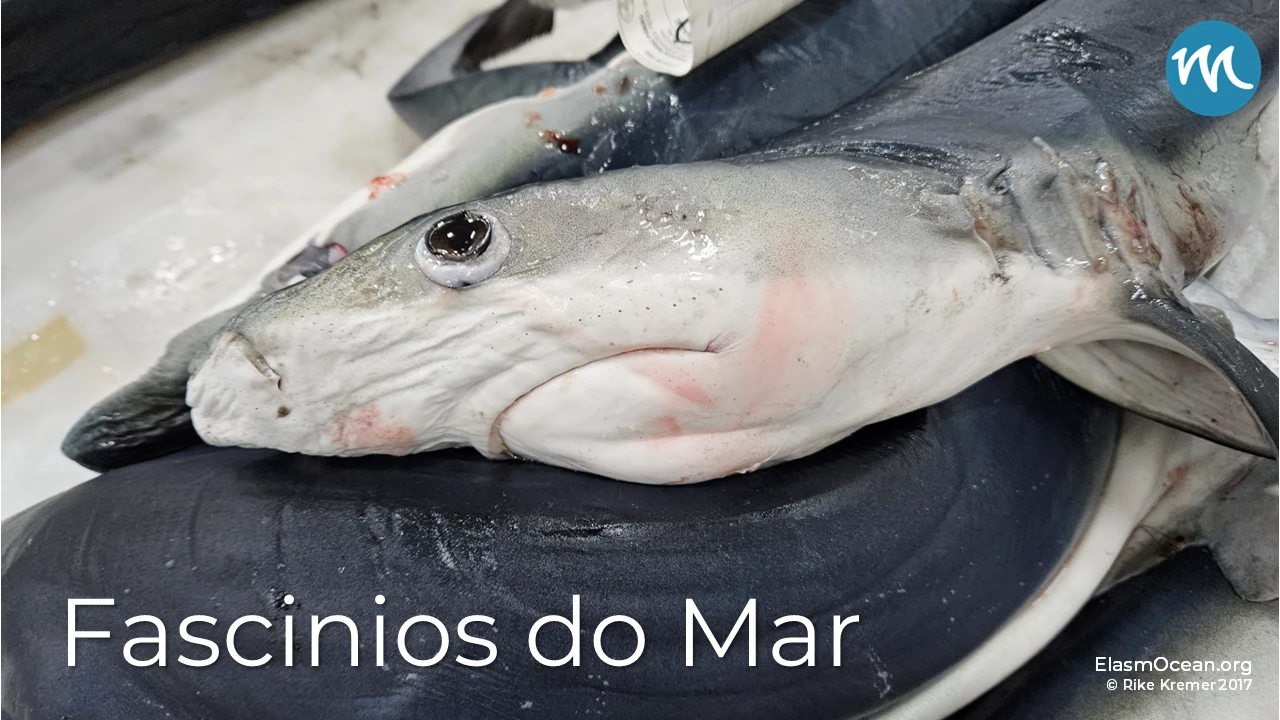
West of the Azores lie the fishing grounds of most Spanish and Portuguese longliners, including the Fascinios do Mar, which also landed in Vigo on 24 July 2023.
The catch was fairly typical:
- 142 blue sharks with a total weight of 6.992 t
- 21 swordfish with a total weight of 0.903 t
- 2 Atlantic bluefin tuna with a total weight of 0.418 t
- 43 snake mackerels with a total weight of 0.559 t
Here too, blue sharks outnumber all other fish species, though in this case they are primarily sexually mature sharks with an average weight of around 49 kg each (gutted).
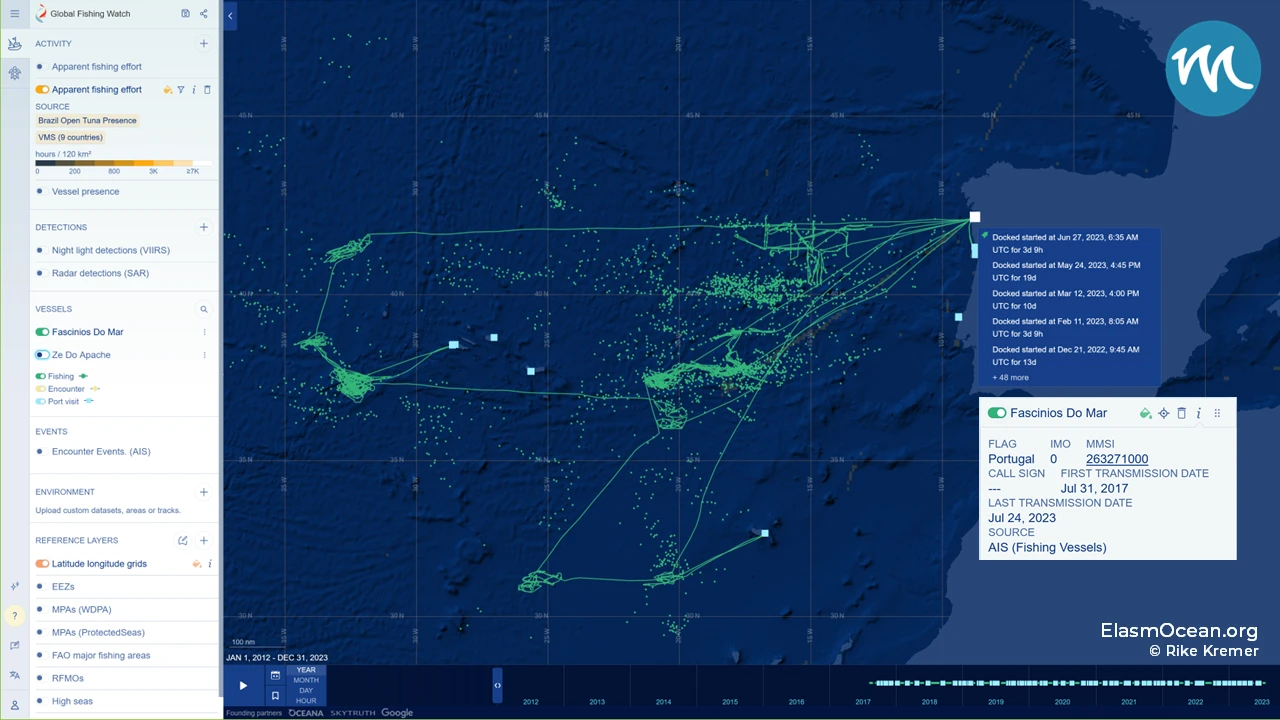
These figures may appear "dryly pathological"; however, they are important for us to highlight where the problem lies: alongside the "juveniles", this "parent generation" is also being wiped out. They may have already reproduced, but they are nevertheless missing for the conservation of the species...
Vigo's plastic beach.
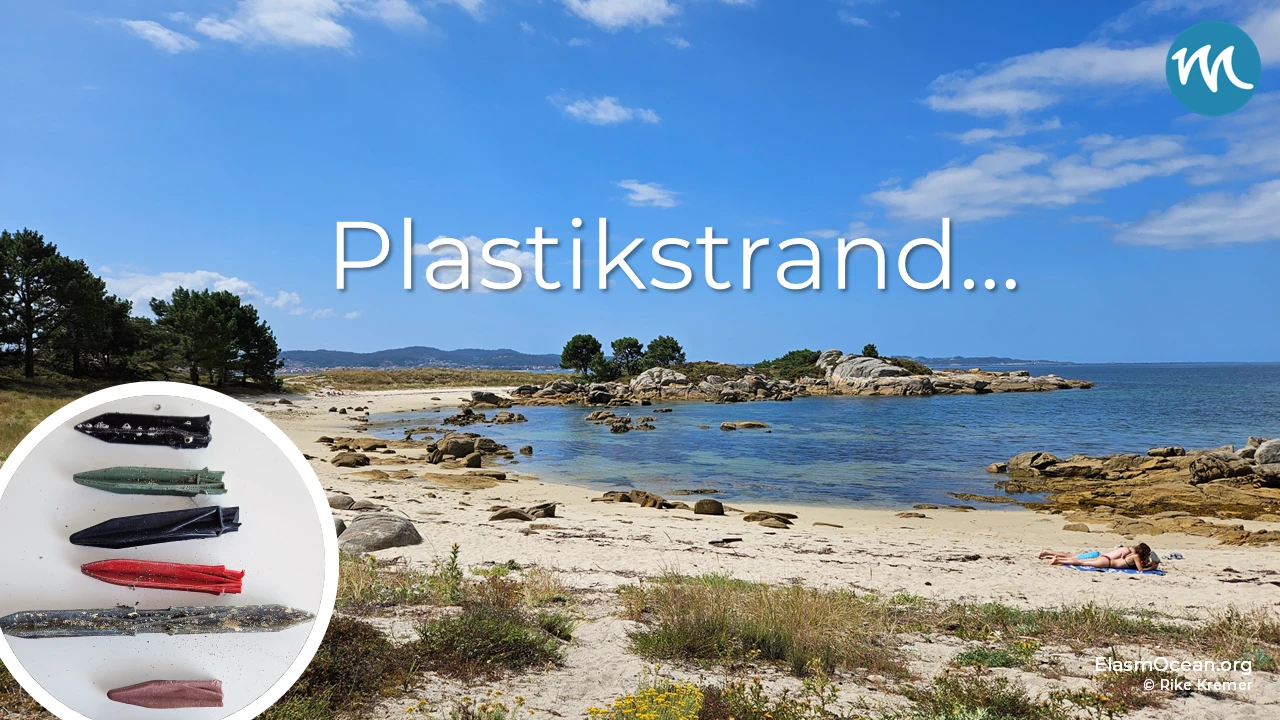
Illa de Arousa, an island off the coast of Galicia, lies approximately 60 kilometres north of Vigo with its nature reserve "Parque Natural de Carreirón". The beautiful island is used by locals as a recreational destination, and its beaches are popular for swimming.
Yet, this island also has a problem: the plastic problem. In addition to the "usual suspects" (as we call them) of civilisational waste (cotton buds, packaging, clothes pegs, and various other single-use plastics), we find some curious plastic rods here that we have never encountered on a beach before.
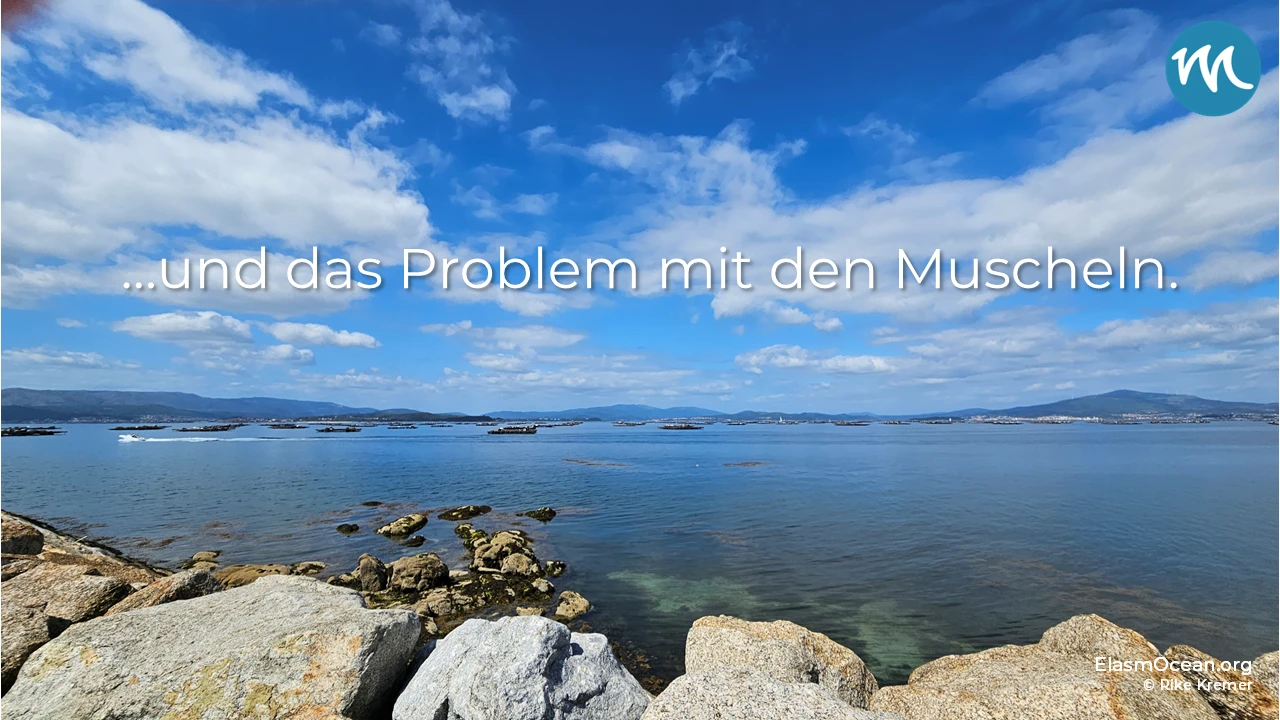
The explanation: these are plastic rods from mussel farms. They are made from recycled plastic and are woven into the ropes to give the mussels a better grip. These farms surround the river deltas and the coast of Galicia like a network of thousands of small islands. The website of the rod manufacturer states: "They are made of high-quality material, are flexible and unbreakable, and withstand the modern machinery used to shake the mussels off the ropes. They are designed not to fall off the ropes, even if the ropes lose torsion over time." (Source).
This advertising is clearly a fallacy: the rods end up in the sea and on the beaches when the extremely heavy mussel lines are hauled in, where they lie around by the hundreds. Could natural materials like wood not be used instead?
Skate wings.
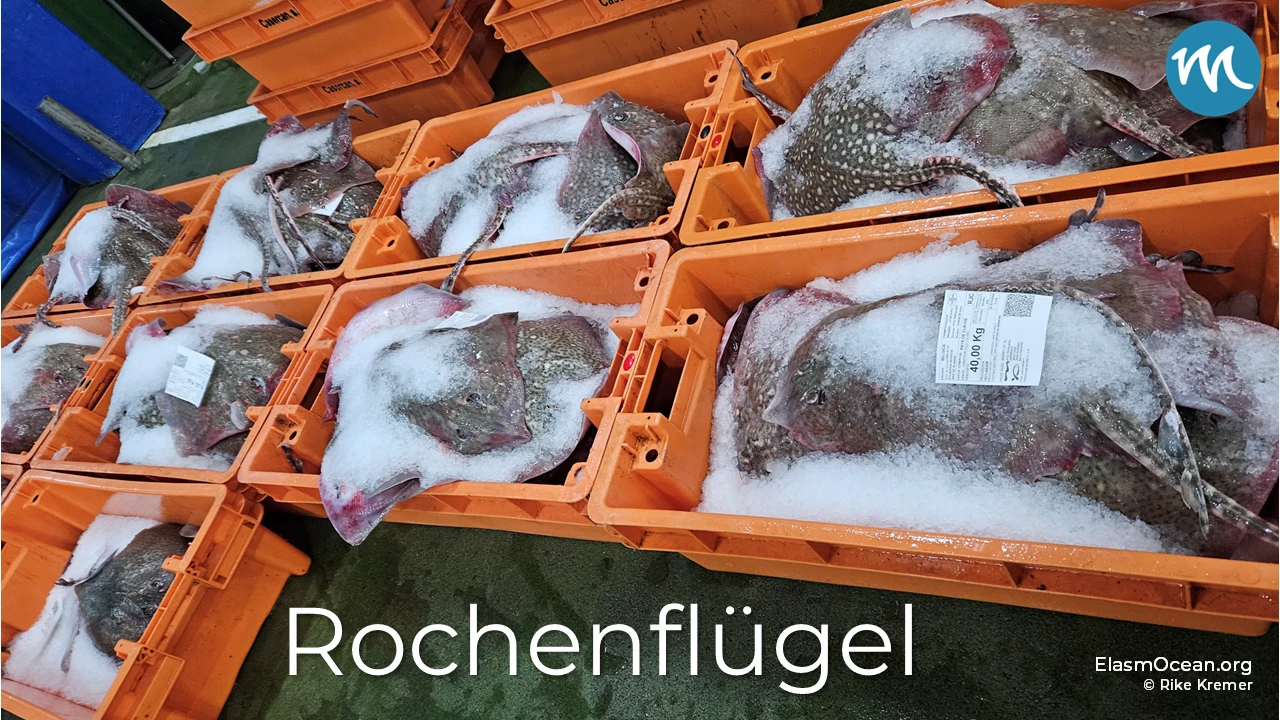
We are aware that skate is indeed consumed in southern countries, including Spain. Therefore, it is not surprising to find skates in large quantities at Europe's largest fish market.
Now, the unsuspecting Central European observer, given the shape of these fish, might wonder: what is actually edible there, besides cartilage? Like sharks, skates belong to the Elasmobranchii, the subclass of cartilaginous fish. They have virtually no meat on their "wings", which are the parts marketed.
Yet, there are apparently buyers for skate wings!
Who in Germany eats skate wings?
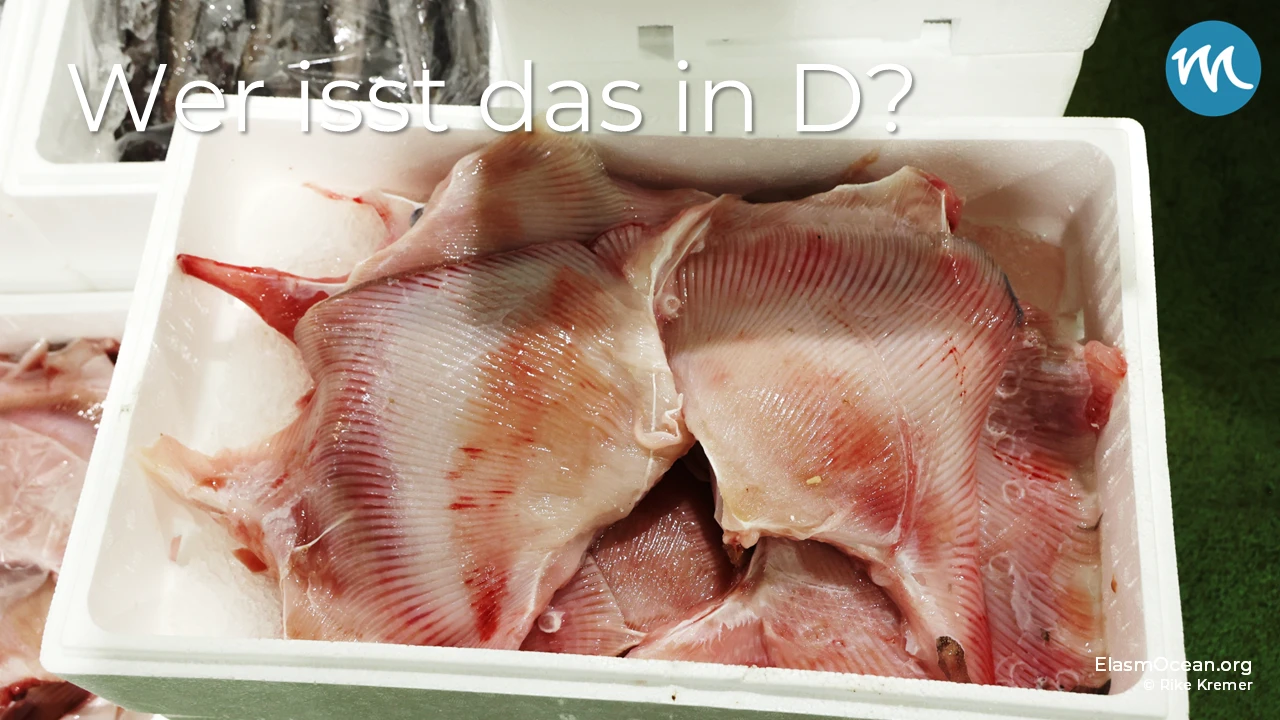
It is hard to believe, but there are over 700 recipes for skate wings! One only needs to browse the popular German-language recipe websites. On the most well-known portal for aspiring chefs alone, over 700 different recipes featuring skate wings are returned as search results!
We strongly advise against consuming skate, not only due to species conservation concerns—this warning is also explicitly issued due to health concerns! Stay away from this product.
Who did we meet in Vigo? Our protagonists.
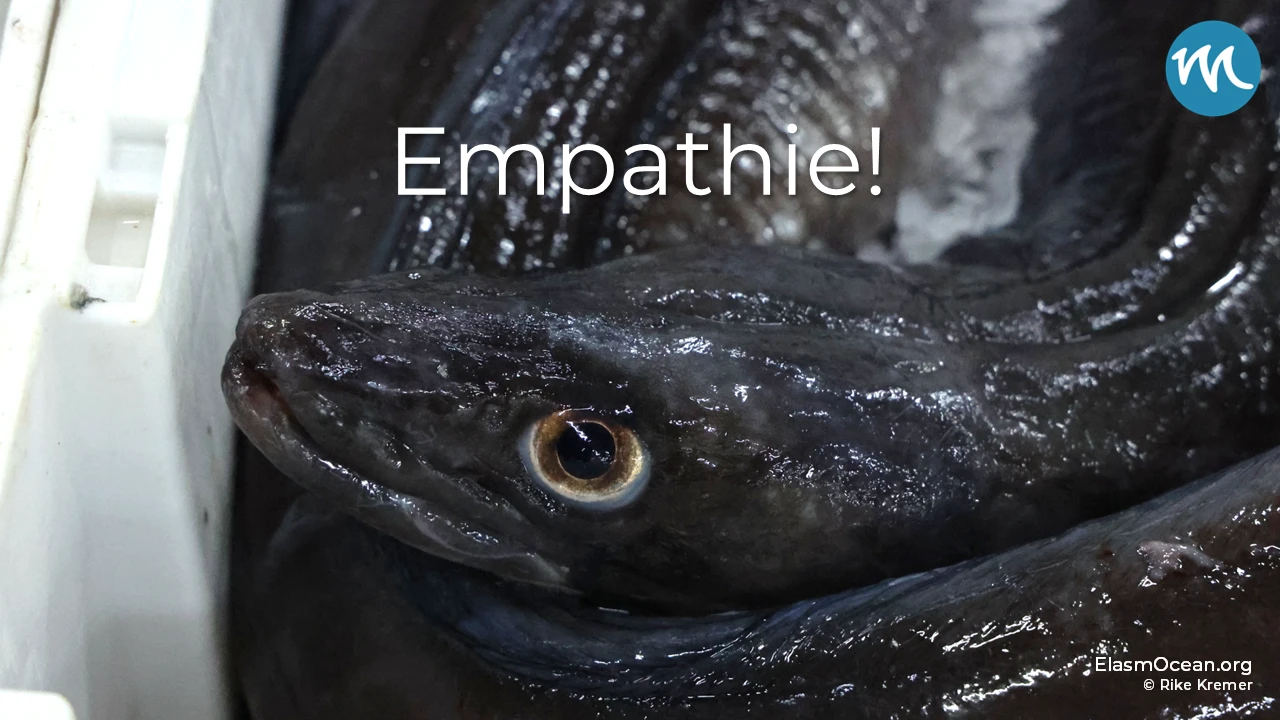
Marine inhabitants who have paid with their lives to enable human consumption from the sea.
A wise mind once said: "Saving one animal will not change the world, but surely for that one animal, the world will change forever!"
Let the portraits of the dead individuals speak for themselves! They deserve our respect. Because: in Vigo, terrible things are still happening systematically!
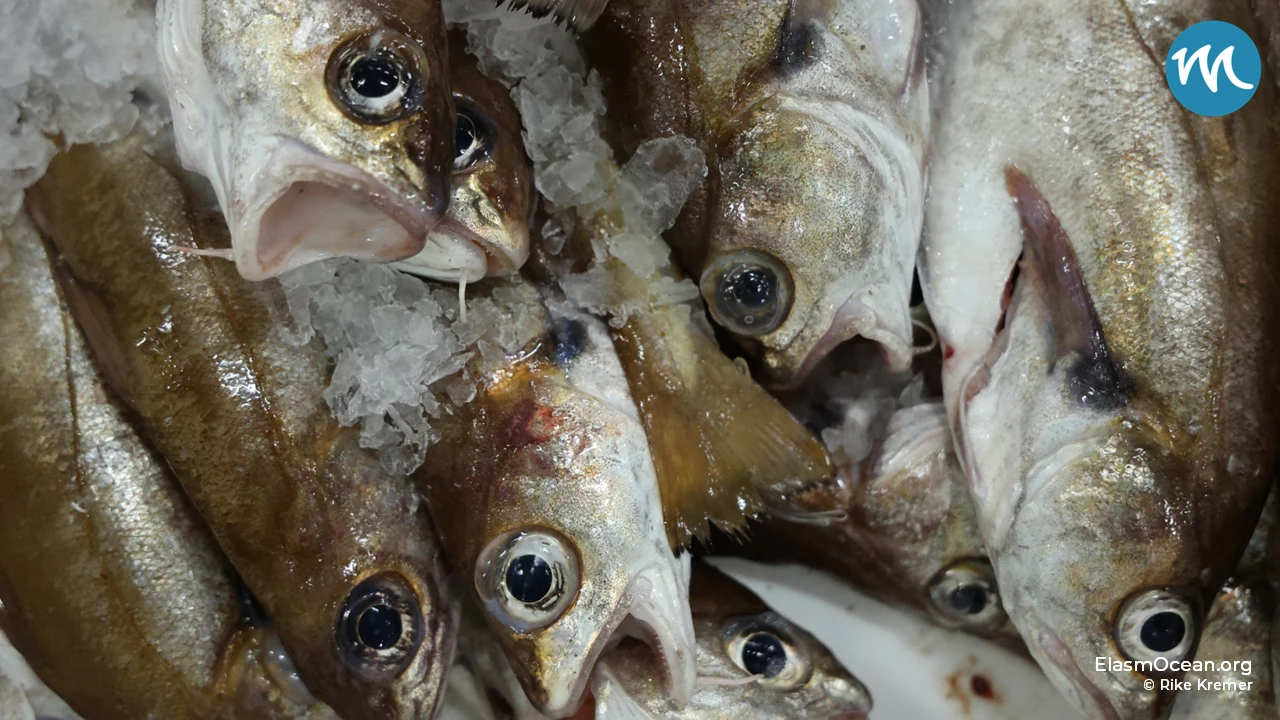
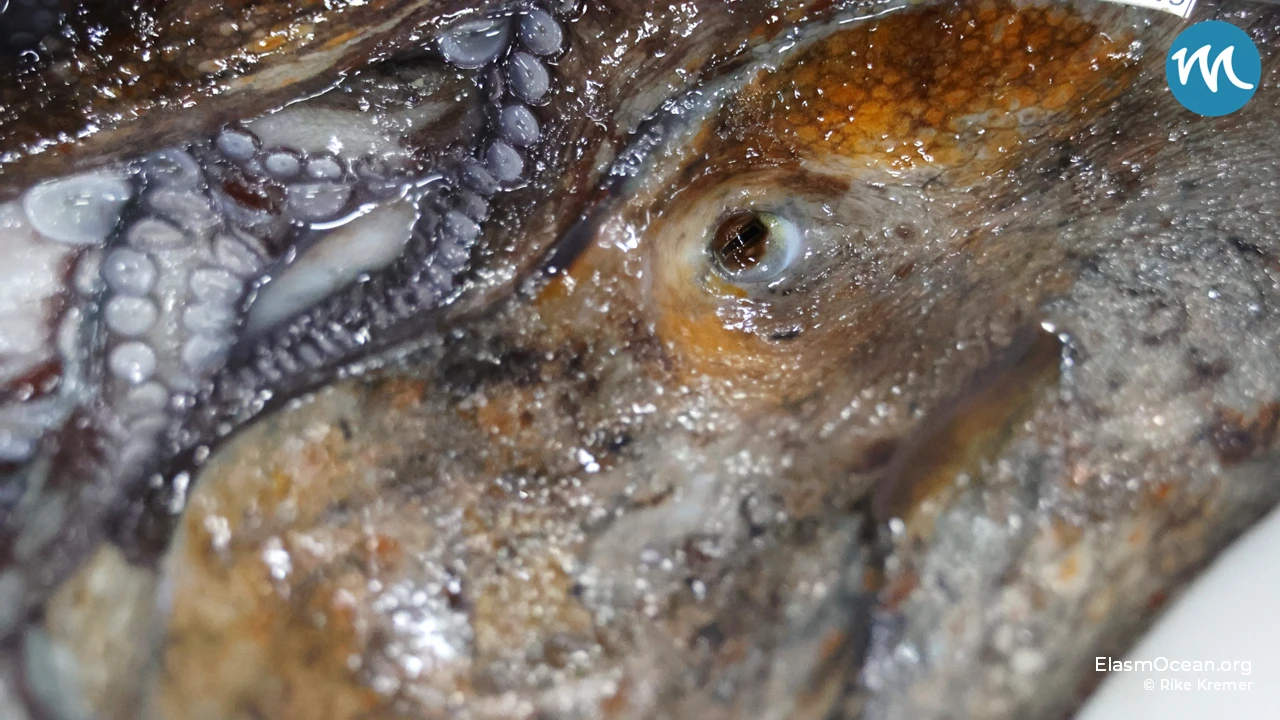
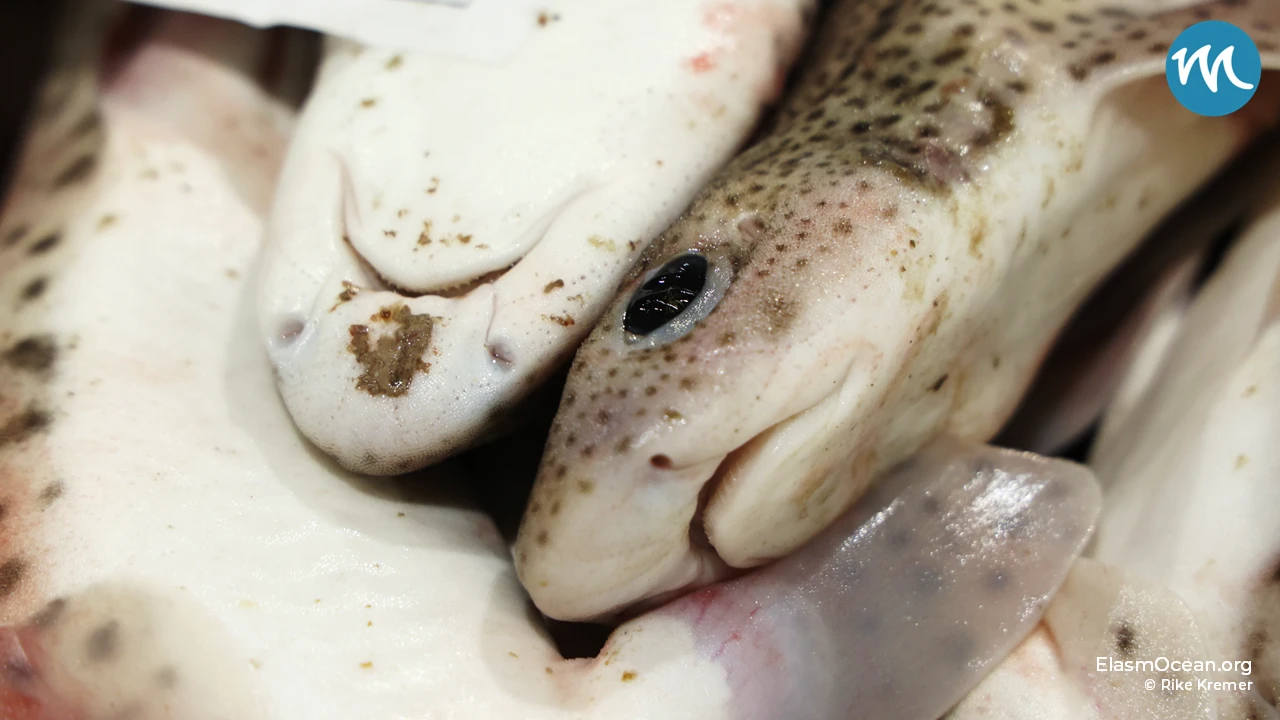
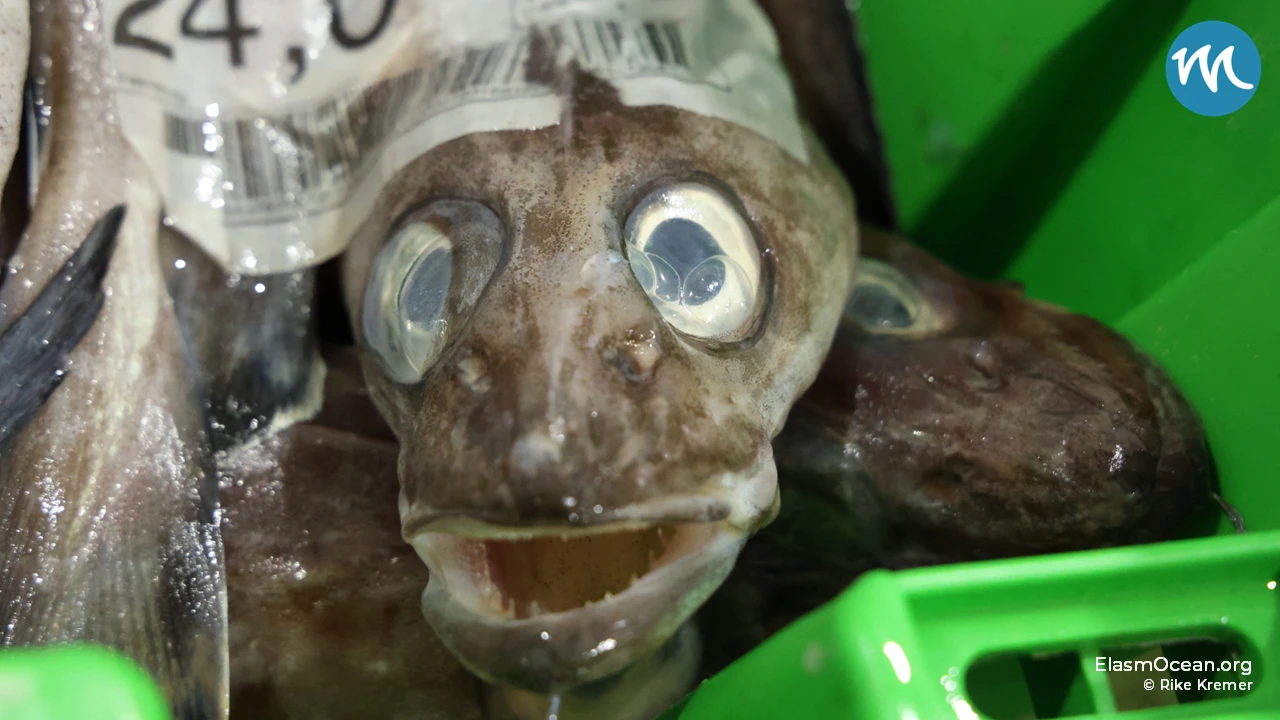
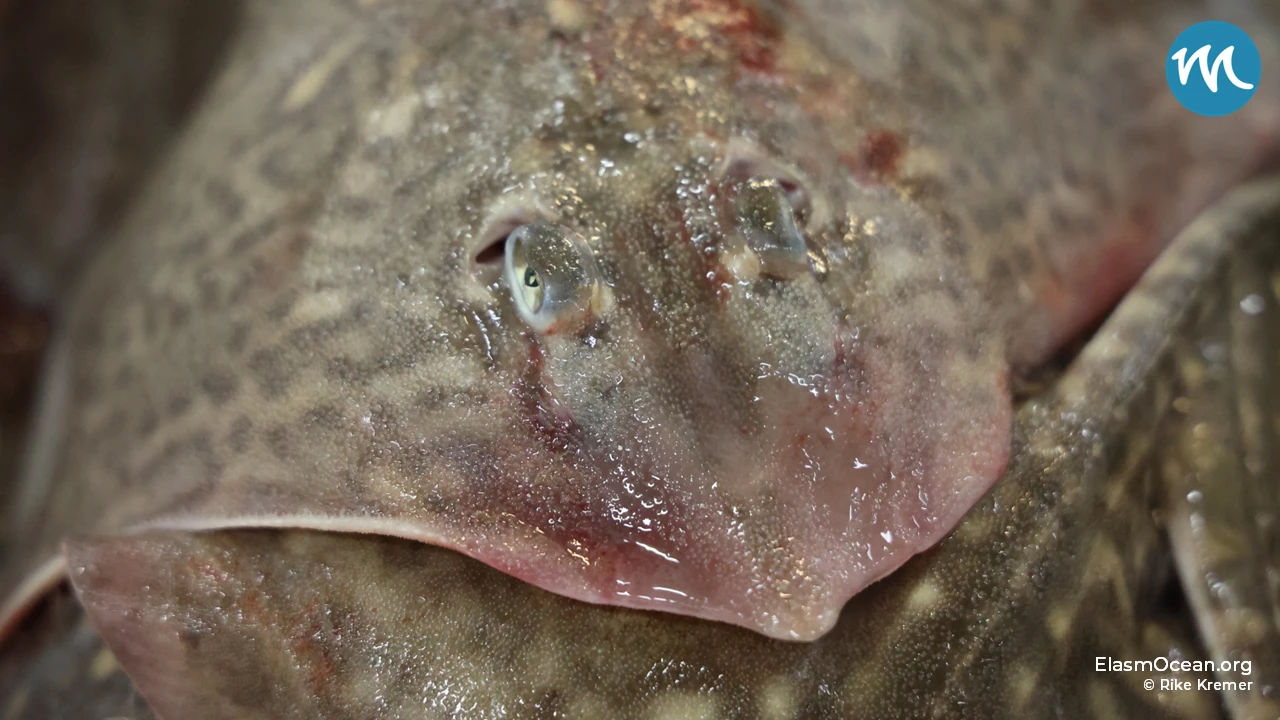
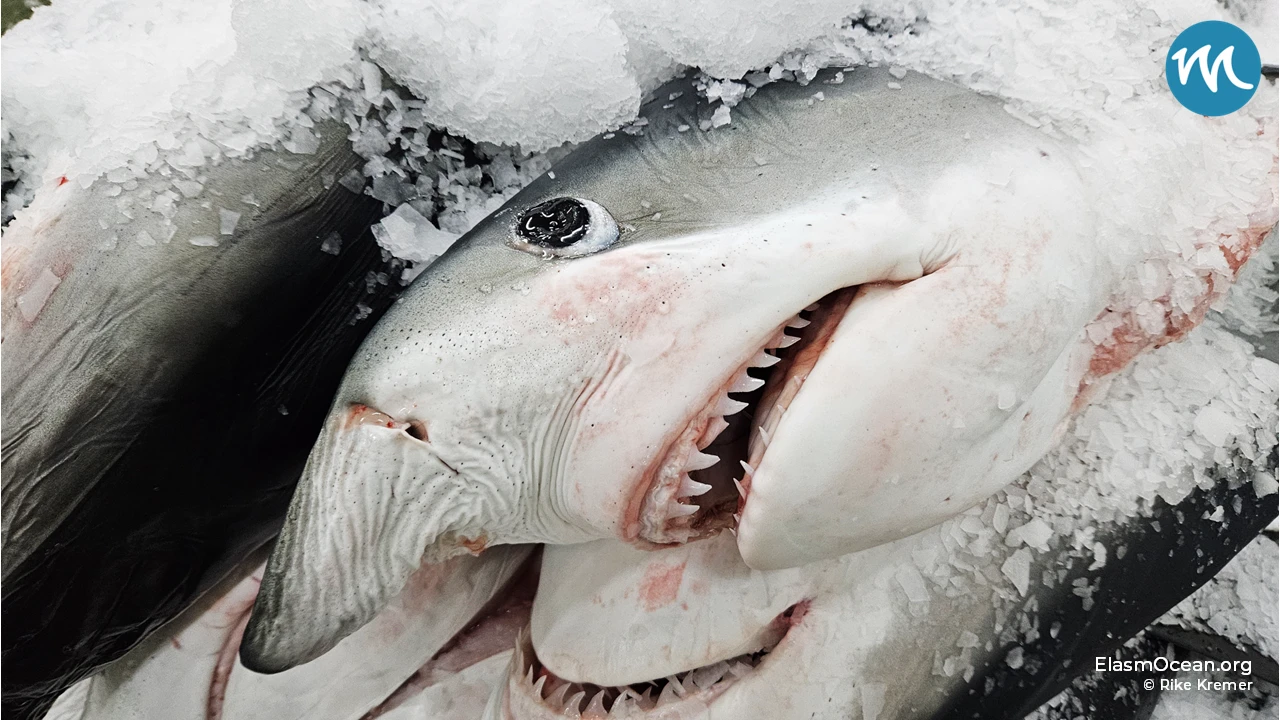
Our conclusion of the July 2023 expedition: It is terrible!
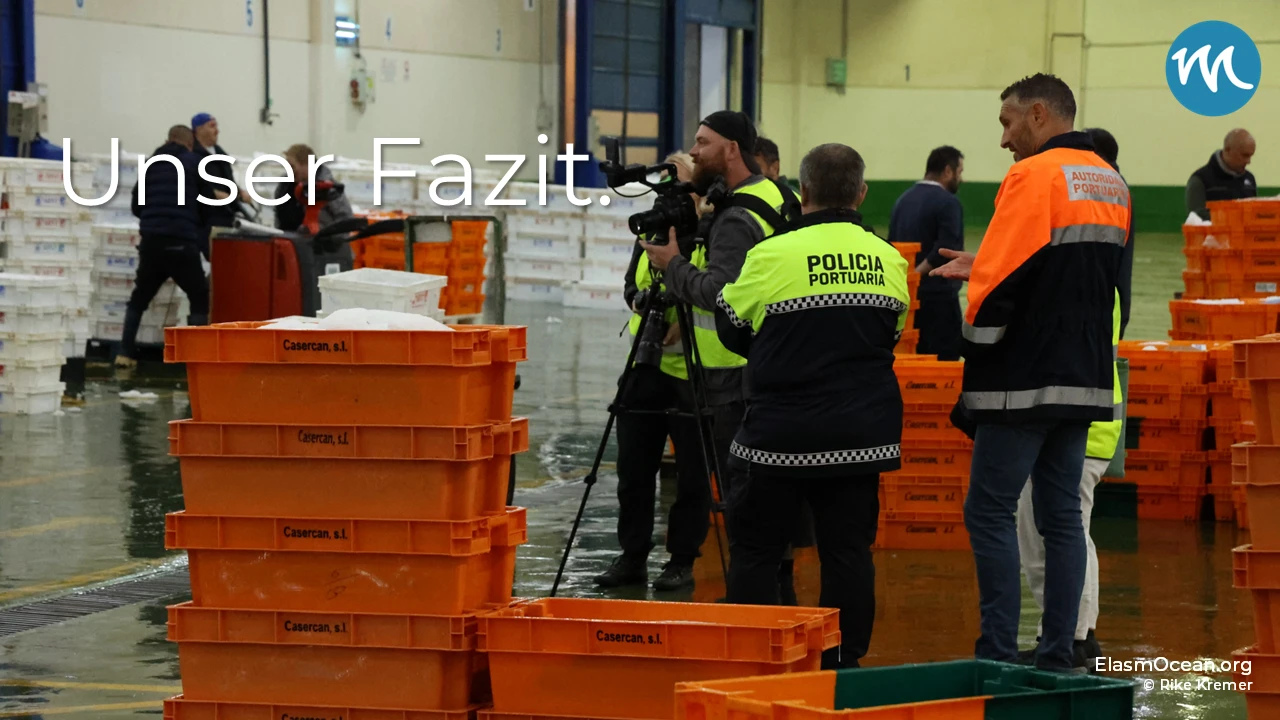
Things are still happening in Europe that one would not wish to attribute to one of the oldest civilisations. For the sake of profit, that which sustains our life is being systematically destroyed—and this destruction only ostensibly threatens marine species: in the end, it also threatens our own survival.
Every single one of us—as consumers and as political beings—has it in our hands whether this continues. Initiatives like #StopFinningEU work against this, as do we by raising public awareness.
There is still a long way to go.
But we would also like to express our gratitude: to the port police, who tolerated and assisted us; they could have reacted very differently. Together with the cooperative port authority, transparency was demonstrated, and an interview with a local sardine fisher was even arranged.
There are always two sides to everything. We found both in the Port of Vigo. Despite all the terrible images of dead sharks and skates, despite all the dead fish traded daily on this market—we were generally received with goodwill and found open ears for our concerns.
It is our consumption, our hunger for fish and seafood, that feeds this market. Every single one of us who eats fish shares responsibility for these images.
Think about it!