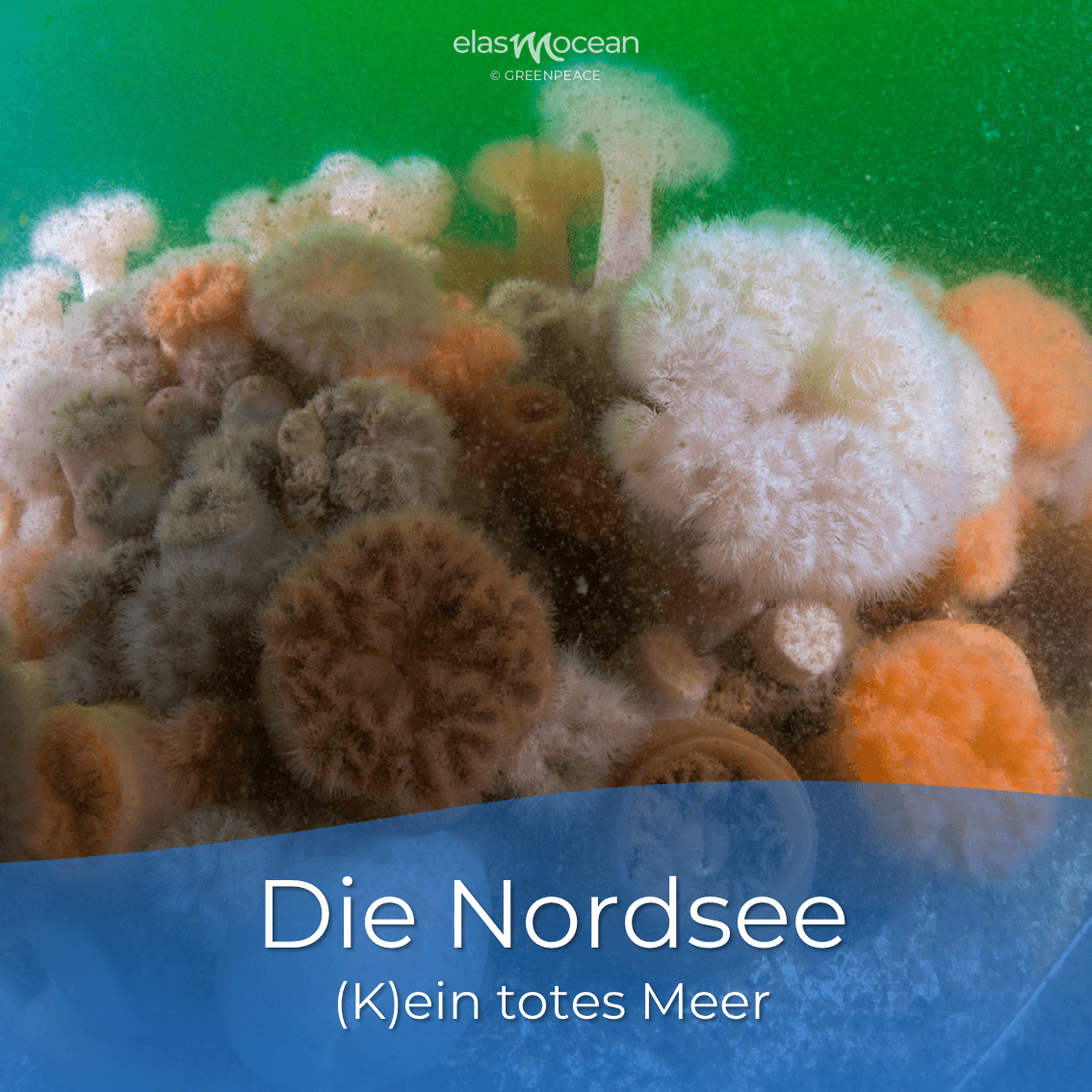
Between the mudflats of the Wadden Sea and the roaring grey waves of the German open sea, the North Sea appears bleak and lifeless. But this is far from true.
Although the predominantly sandy seabed offers less diverse habitats than tropical reefs, the North Sea nevertheless hosts more than 10,000 animal and plant species! These include at least 150 species of fish, from small sand eels and herrings to rarities such as the short-snouted seahorse and the angelshark.
In this series, ElasmOcean takes you into the underestimated waters of our home sea, which deserves our recognition and protection just as much as its larger counterparts.
Ocean conservation through knowledge, indeed.
Source: CWSS (2022): Wadden Sea Quality Status Report
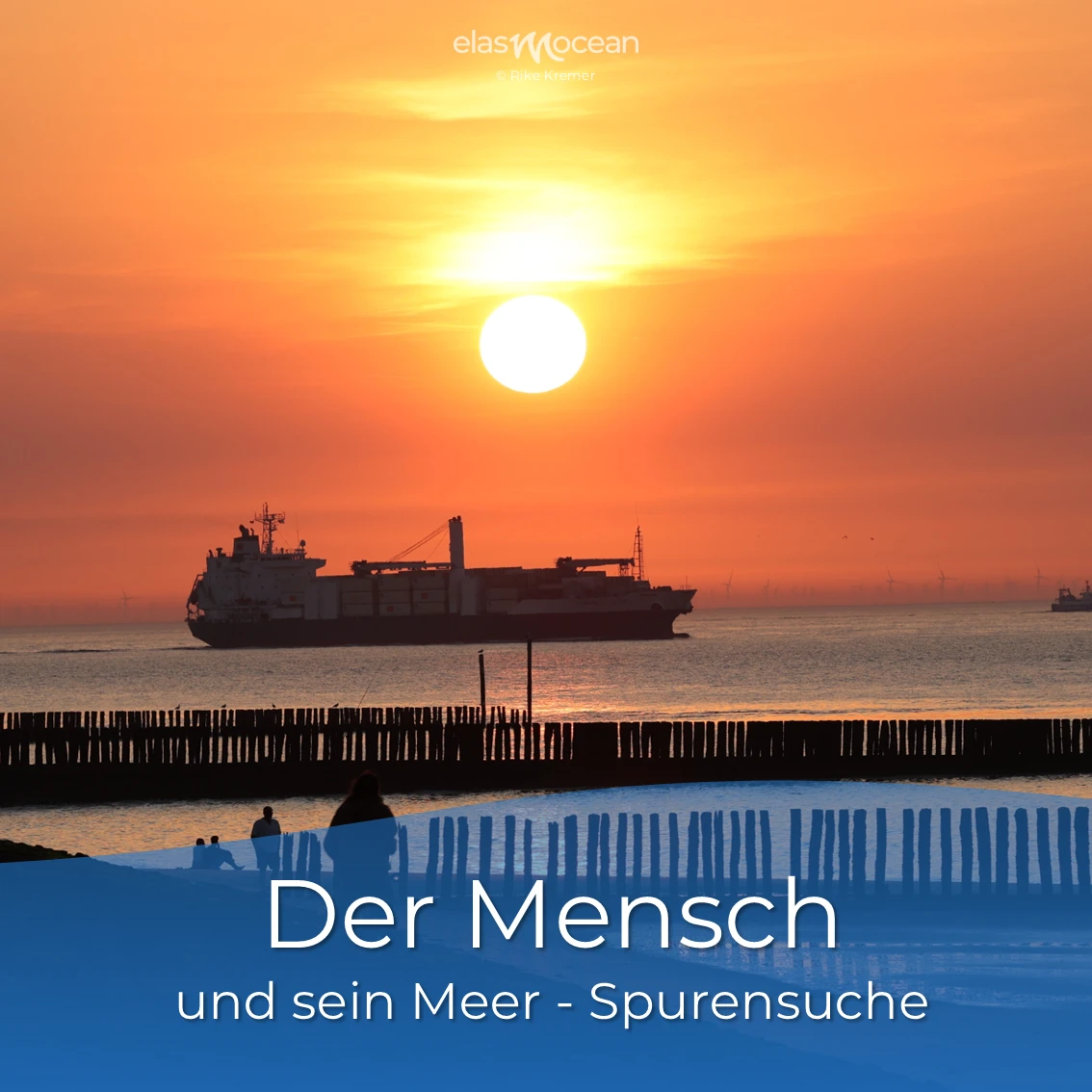
Humans and "their" sea - tracing the evidence
Long before the North Sea reached our current coastlines, it was a heavily utilised habitat for hunter-gatherers and shell collectors. The young sea only reached its present extent due to sea-level rise about 20,000 years ago. Consequently, the North Sea is comparatively shallow – in the German Bight, water depths range between 20 and 50 metres.
Anthropogenic influence has left its mark everywhere: dumped munitions and wrecks from the Second World War lie in countless numbers on the seabed, whose sandy soils are constantly in motion, complicating salvage operations. The Rhine, Elbe, Weser and Ems rivers overload the North Sea with fertilisers from German fields. The shipping lanes Terschelling and German Bight Western Approach are among the busiest sea routes in the world. Offshore wind farms are increasingly occupying space. And fishing is so active that, statistically, every square metre of the German North Sea is swept by a bottom trawl 1.25 times per year.
How a clear overview is maintained under these conditions will be explained shortly.
Sources:
Emeis (2015): The North Sea – A Shelf in the Anthropocene. https://doi.org/10.1016/j.jmarsys.2014.03.012
Eigaard (2017): The footprint of bottom trawling in European waters: distribution, intensity, and seabed integrity. https://doi.org/10.1093/icesjms/fsw194
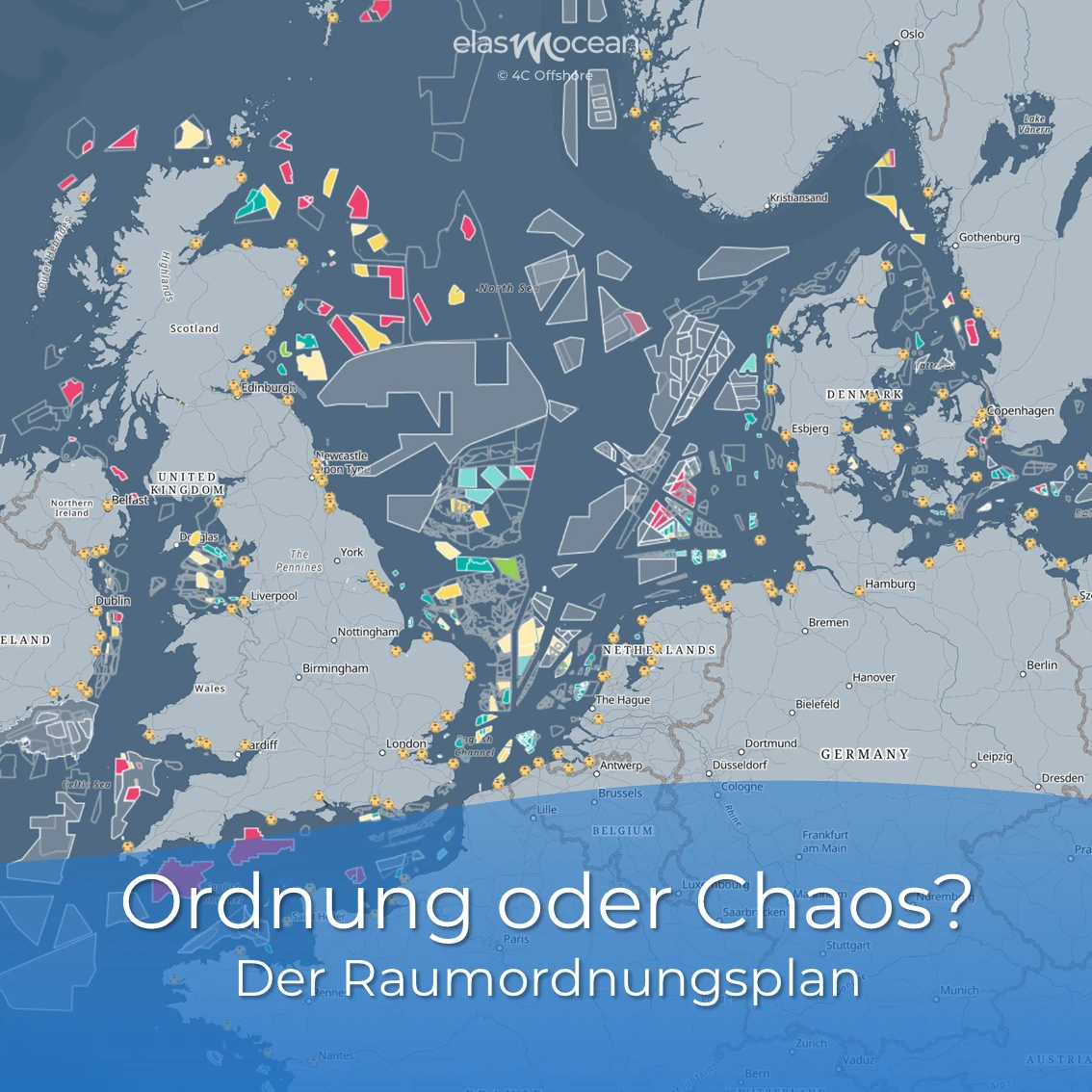
Order or chaos? The spatial development plan
Who owns a sea?
Typically, a nation can claim ownership of the sea up to 200 nautical miles from its coastline – which becomes more complex when these zones overlap. We therefore share the North Sea area with other nations such as Denmark, the Netherlands and Great Britain. We have reached agreements with these countries, and the Ausschließliche Wirtschaftszone (AWZ) of Germany covers approximately 23,417 km² of the North Sea. This "German North Sea" is claimed by numerous stakeholders: shipping, fisheries, offshore wind farms, submarine cables, mineral extraction, the military, recreational areas and marine protected areas. To coordinate all of these legally and organizationally, the Bundesamt für Seeschifffahrt und Hydrographie (BSH) continuously works on the so-called "Raumordnungsplan".
In this context, the BSH conducts its own measurements and research, and coordinates shipping, military operations and the expansion of wind farms based on these findings.
Wind farms are geographically fixed, which is why planning must be longer-term and less subject to changes. The scope of use is prepared in a so-called "Flächenentwicklungsplan", in which, among other aspects, the environmental impacts are thoroughly assessed. Annual tenders for new areas are designed to provide planning security and ensure efficient expansion with low electricity prices.
And what about the inhabitants of the North Sea? You will find out shortly!
Source: BSH (2025): Flächenentwicklungsplan 2025
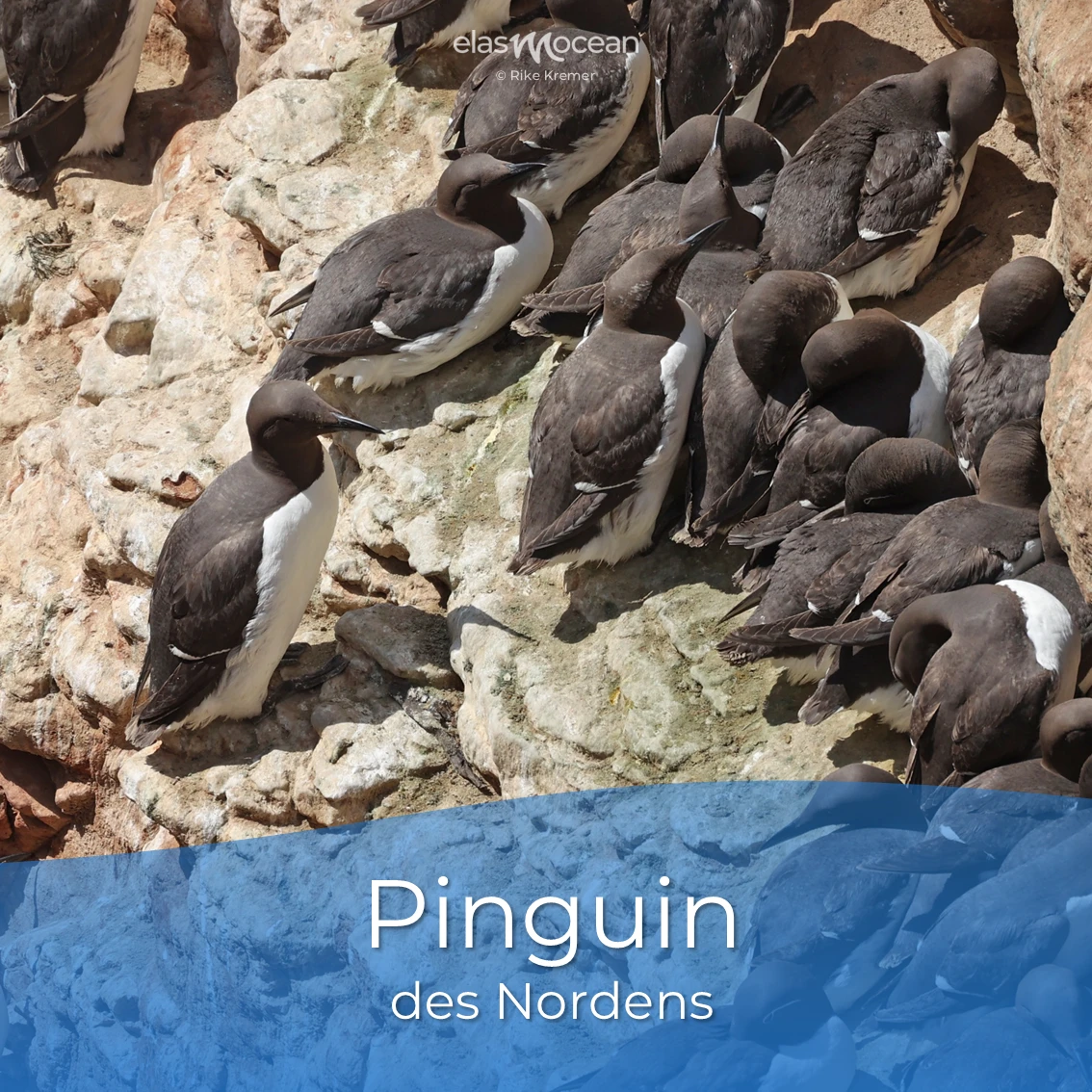
Flying Penguins
Who lives in the North Sea? Let us start "at the top".
Some tourists on Helgoland might mistake the inhabitants on the "Lange Anna" sea stack for penguins, but the common guillemot and the razorbill are auks, closely related to waders and gulls. Both species wear dark breeding plumage with a black head in summer, whilst transitioning to lighter plumage in winter. Only the pointed bill visibly distinguishes the common guillemot from the razorbill.
The European population of common guillemots is estimated at 2.4 – 3.1 million individuals, but the animals face increasing threats: marine litter such as old fishing nets and dolly ropes, rising water temperatures due to climate change, and avian influenza epidemics reduce the survival rates of the common guillemot. It is also now known that the animals react evasively to offshore wind farms, resulting in a loss of habitat in the North Sea as wind farm areas are constructed.
Sources:
BirdLife International (2018): Species factsheet: Common Murre Uria aalge
Peschko (2024): Cumulative effects of offshore wind farms on common guillemots (Uria aalge) in the southern North Sea - climate versus biodiversity? https://doi.org/10.1007/s10531-023-02759-9
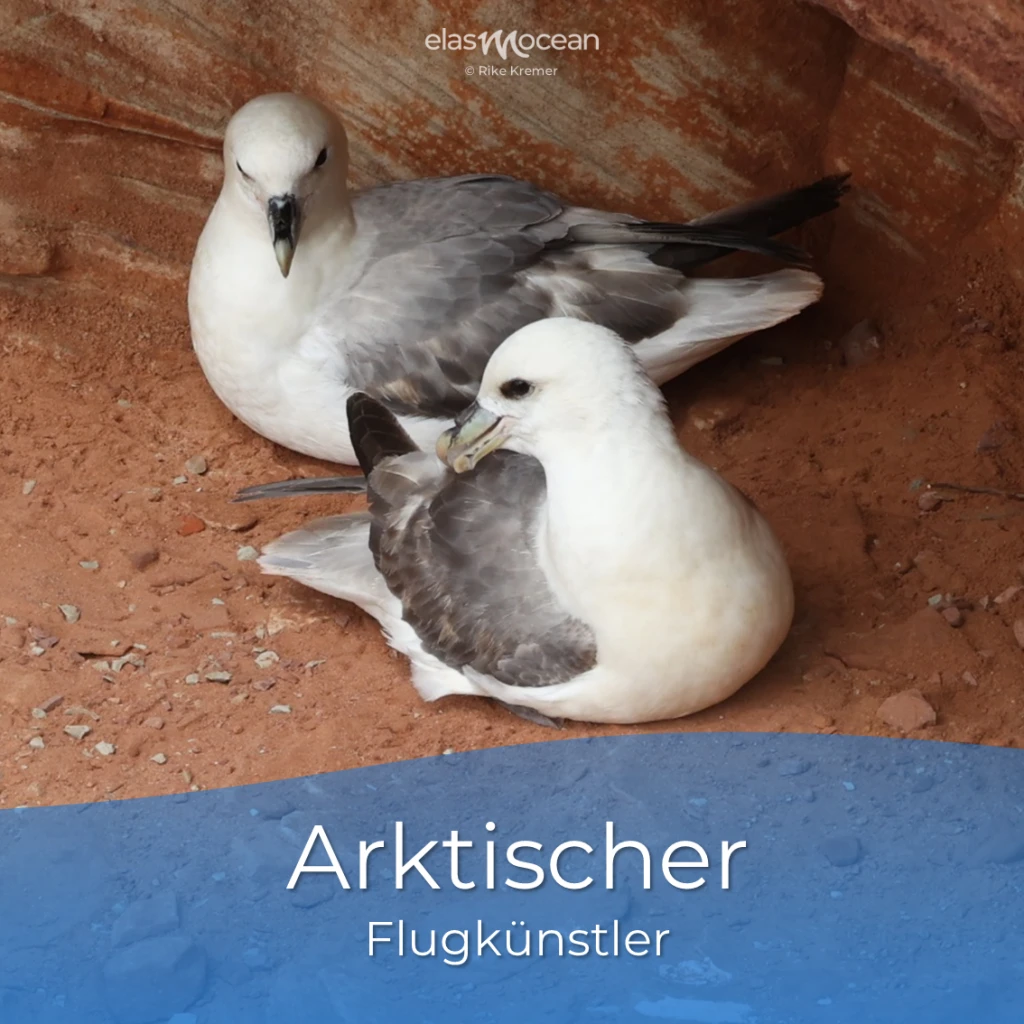
The Arctic Aerialist: Northern Fulmar
The northern fulmar is a less well-known inhabitant of the North Sea. Previously, it was so abundant that settler communities used it as a (primary) food source. With only 38 breeding pairs remaining on Helgoland (2019), it is rarely found in coastal waters and is classified as a strictly protected species in Germany. The bird, with its stiff wings and prominent tubular nose that enables the excretion of salt, is most at home out in the wind-swept open sea. Here, it feeds on krill, jellyfish and fish, and squabbles cacklingly with its conspecifics over fishery discards. It is therefore a frequent vessel follower.
And this is precisely what proves fatal: an estimated 95% of all northern fulmars have plastic in their stomachs, resulting in internal injuries or even starvation with a full stomach.
Sources:
Heinrich-Böll-Stiftung: Plastikatlas 2019. ISBN 978-3-86928-200-8
Verein Jordsand: Der Eissturmvogel. https://www.jordsand.de/helgoland/eissturmvogel/
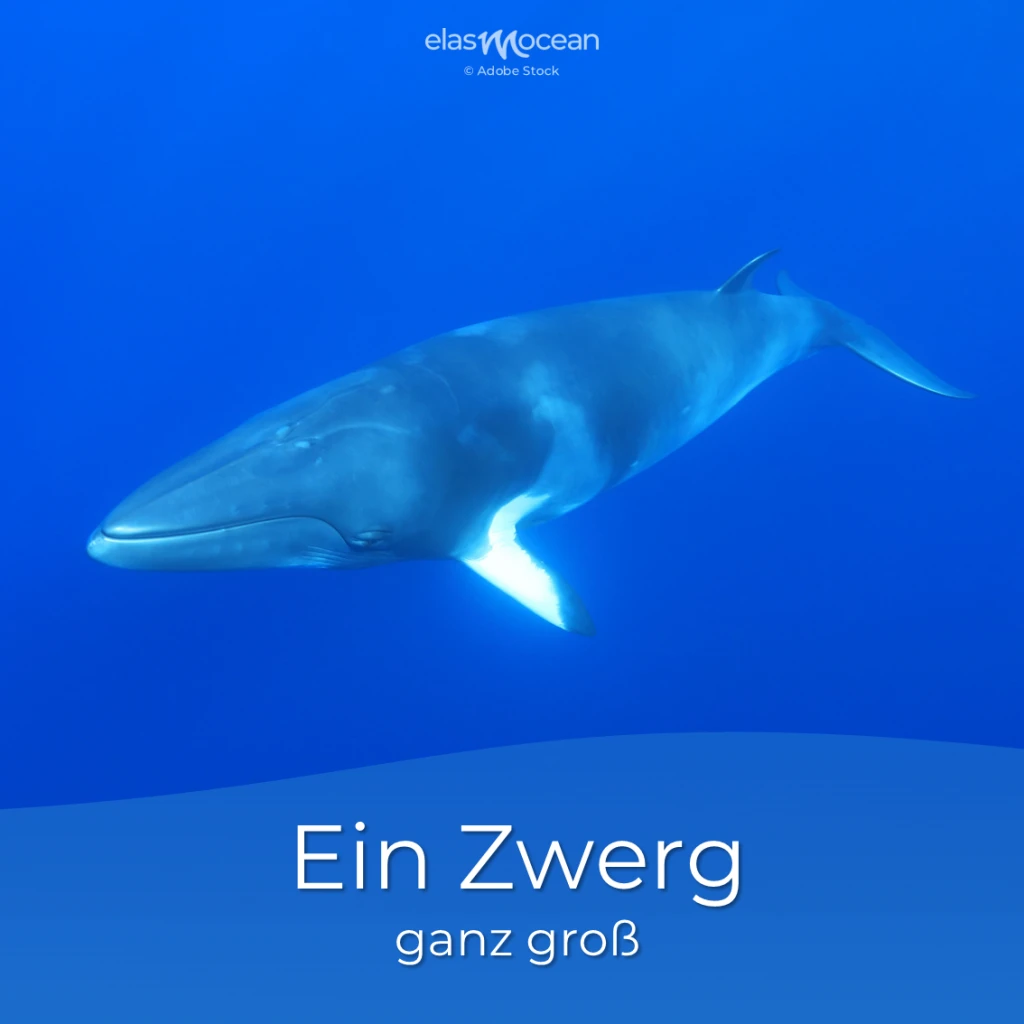
A Giant Dwarf
For a baleen whale, it may be rather small, but the name "minke whale" hardly does justice to this marine mammal, which can grow up to 8 metres in length. It is a rarely sighted inhabitant of the North Sea – partly because it only occasionally shows its dorsal fin, and partly because the species was severely depleted by whaling and is recovering only slowly. In our waters, they are most frequently sighted far out on the "Dogger Bank", a sandy shoal about 20 metres deep.
Today, fishing nets in which the whales become entangled and climate change pose the greatest threats to minke whales.
They occur in all oceans, but populations from the Northern and Southern Hemispheres rarely meet due to the different seasons in which they migrate towards the equator – perhaps, over time, two new species will evolve from the two current subspecies...
Source: Sun et al. (2022): Estimating the impacts of climate change on the habitat suitability of common minke whales integrating local adaptation. https://doi.org/10.3389/fmars.2022.923205
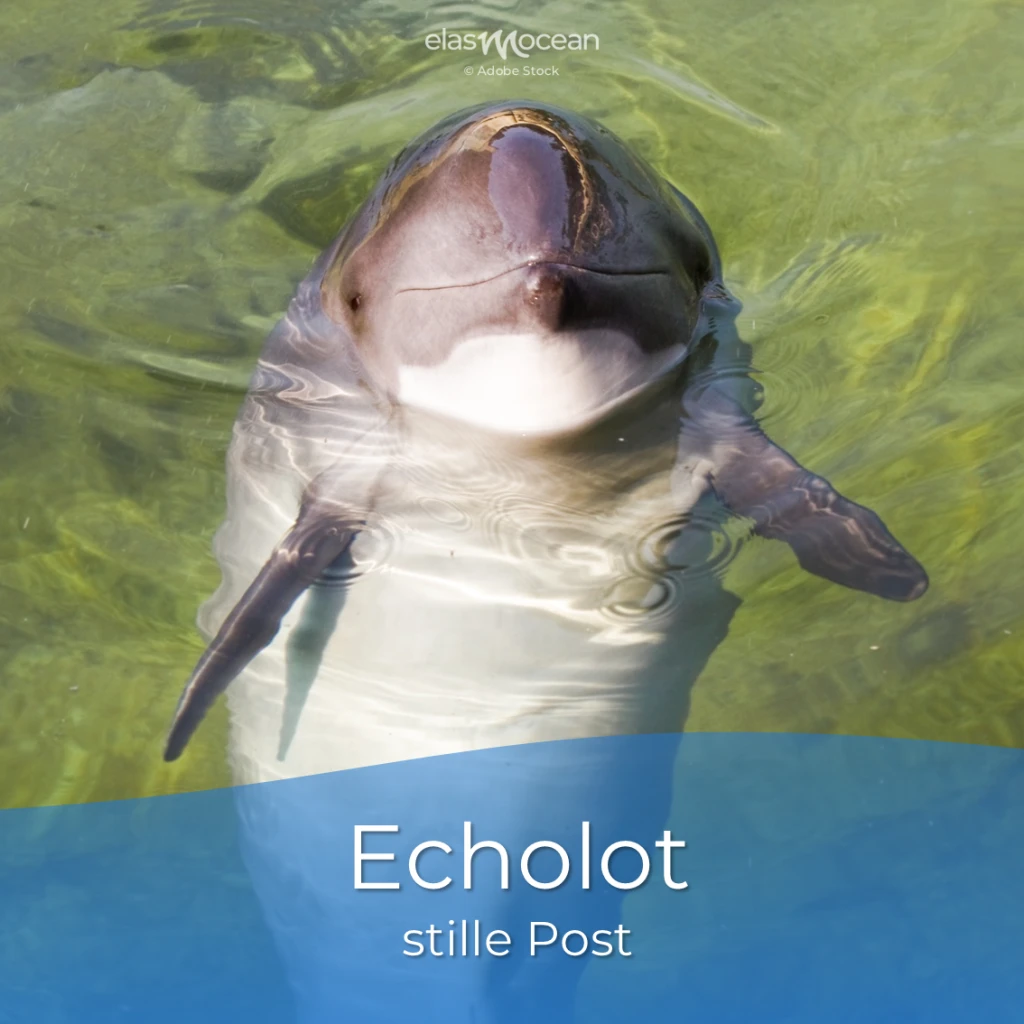
Sonar – Chinese Whispers
Famous, notorious and shy: the harbour porpoise is native to both the German North Sea and the Baltic Sea.
At 1.4 m, it is a pygmy among marine mammals – with natural predators.
Grey seals occasionally hunt the animals to obtain bites of their blubber-rich skin. Attacks by bottlenose dolphins are also documented.
Furthermore, the great white shark and the killer whale are natural predators of the harbour porpoise. An interesting aspect of this: killer whales can hear up to a frequency of about 125 kHz, whilst the clicks of harbour porpoises, which they use for echolocation, are at 130-140 kHz, meaning their vocalizations just escape the hearing range of the killer whale – an important survival strategy. For comparison: human hearing ranges from approximately 20 Hz to 20 kHz.
However, another threat stands at the very top of the list: humans. More on this in the next part of the North Sea series.
Source: Miller and Wahlberg (2013): Echolocation by the harbour porpoise: life in coastal waters. https://doi.org/10.3389/fphys.2013.00052
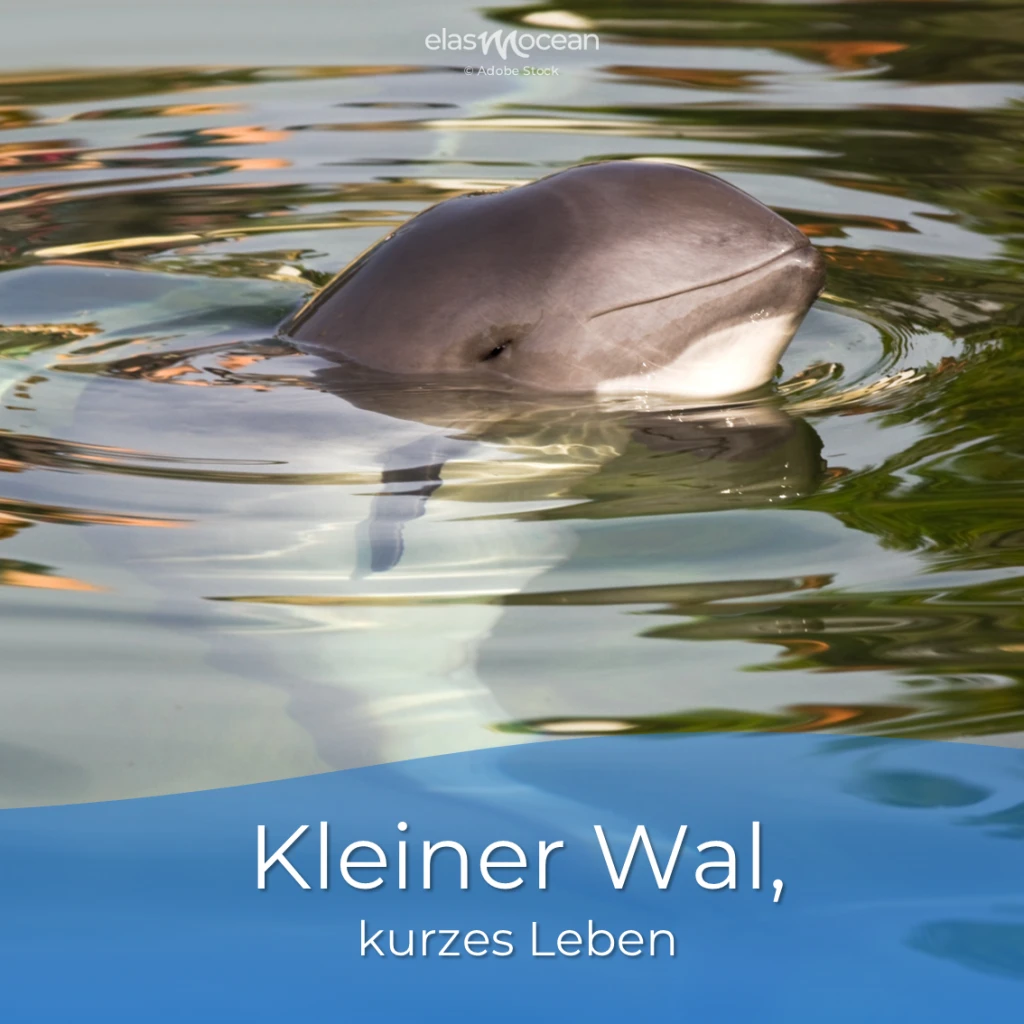
Small Whale, Short Life
The charismatic harbour porpoise is classified as vulnerable in the North Sea and critically endangered in the Baltic Sea. Recent counts estimate approximately 345,000 individuals in the North Sea and North-East Atlantic. Although they can live up to 24 years and only reach sexual maturity at 5 or 6 years of age, harbour porpoises in the North Sea only live to about 5 years of age – an immense threat to the population. Many animals die before they can carry or nurse offspring, as the gestation period is about 10 months and lactation lasts just as long.
The most common threats to these marine mammals are diseases and toxic substances, followed by fisheries – either because they end up as bycatch in nets, or due to a lack of food.
To date, there are various conservation agreements: the Bonn Convention (CMS) lists the harbour porpoise as a species to be protected, and the European Habitats Directive provides for special areas of conservation to ensure the maintenance of the species. How this works will be explained in the next part of the North Sea series.
Sources:
Kesselring et al. (2019): Coming of age: - Do female harbour porpoises (Phocoena phocoena) from the North Sea and Baltic Sea have sufficient time to reproduce in a human influenced environment? https://doi.org/10.1371/journal.pone.0186951
Carlén et al. (2021): Out of sight, out of mind: How conservation is failing European Porpoises. https://doi.org/10.3389/fmars.2021.617478
This series will be continued.