


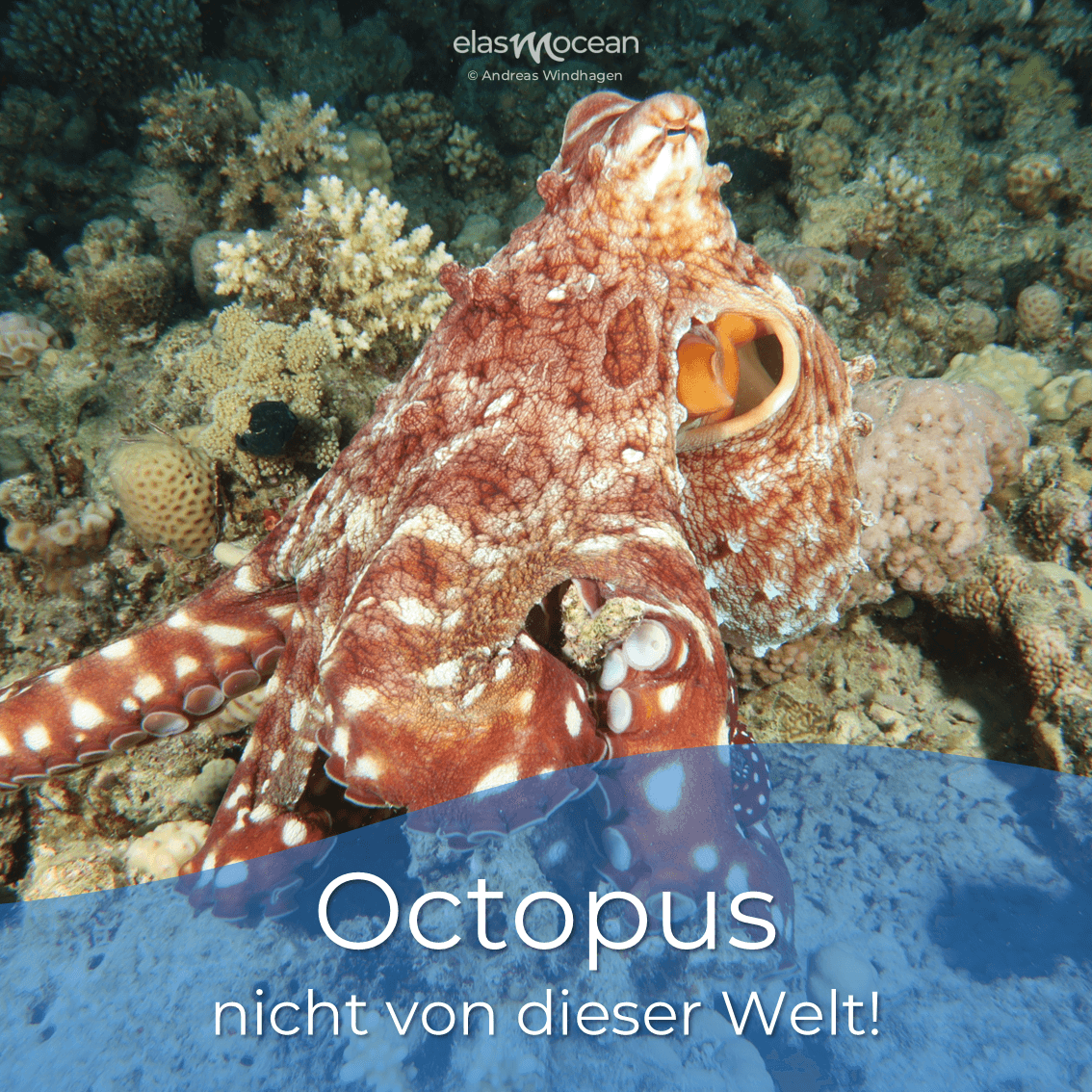
Masters of Disguise
Octopuses not only fascinate scientists and nature lovers, but are also considered a highly sought-after delicacy worldwide. Of the approximately 300 known octopus species, over 100 are caught in the wild – mostly using nets, pots, longlines or specialised traps. However, the WWF seafood guide generally advises against consumption, regardless of the fishing method.
A look at the stocks explains why: the status of most octopus populations is difficult to assess. In some regions, however, catches are declining – a clear warning sign. Although octopuses have a comparatively rapid reproduction rate, they only produce offspring once in their lifetime. This natural limitation, coupled with intensive fishing pressure and the loss of critical habitats, poses a serious threat to many species.
Despite these alarming trends, new octopus fisheries continue to open worldwide. Growing demand in global markets continues to drive prices upwards. Since 2008, around 350,000 tonnes of octopuses have been caught annually – a figure based on official catch reports. However, the actual quantity is likely to be significantly higher, as unreported, primarily coastal and non-commercial catches are often not recorded.
This intensive exploitation of the oceans has far-reaching consequences – not only for octopuses, but for entire marine ecosystems.
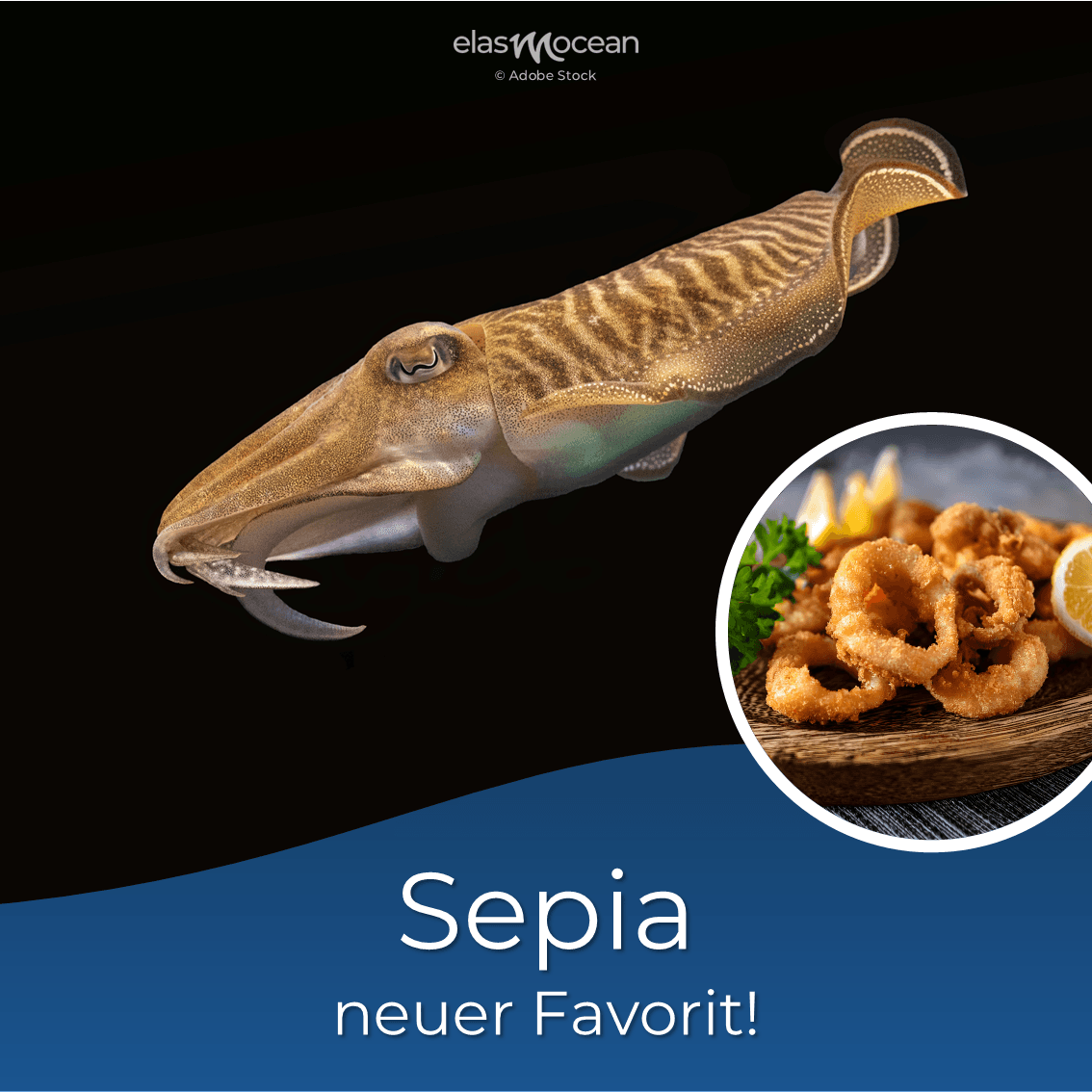
Threatened Masters of the Oceans
Octopuses not only fascinate scientists and nature lovers, but are also considered a highly sought-after delicacy worldwide. Of the approximately 300 known octopus species, over 100 are caught in the wild – mostly using nets, pots, longlines or specialised traps. However, the WWF seafood guide generally advises against consumption, regardless of the fishing method.
A look at the stocks explains why: the status of most octopus populations is difficult to assess. In some regions, however, catches are declining – a clear warning sign. Although octopuses have a comparatively rapid reproduction rate, they only produce offspring once in their lifetime. This natural limitation, coupled with intensive fishing pressure and the loss of critical habitats, poses a serious threat to many species.
Despite these alarming trends, new octopus fisheries continue to open worldwide. Growing demand in global markets continues to drive prices upwards. Since 2008, around 350,000 tonnes of octopuses have been caught annually – a figure based on official catch reports. However, the actual quantity is likely to be significantly higher, as unreported, primarily coastal and non-commercial catches are often not recorded.
This intensive exploitation of the oceans has far-reaching consequences – not only for octopuses, but for entire marine ecosystems.
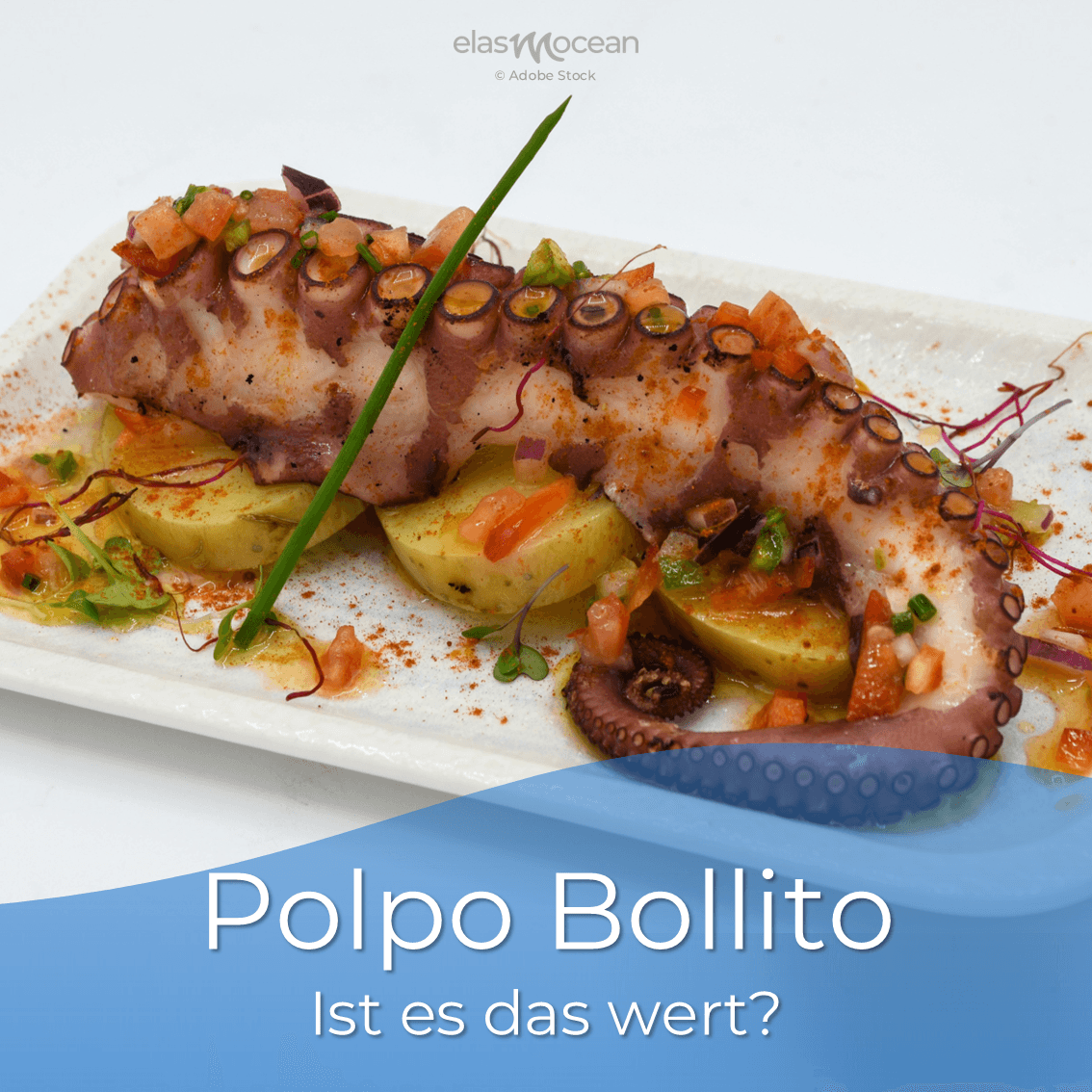
The Dark Side of Demand
The growing demand for octopus meat has not only led to increasing overfishing, but is also driving new developments that are highly problematic from an animal welfare and environmental perspective. In 2019, the Nueva Pescanova Group, a company specialising in fisheries and aquaculture, succeeded in breeding octopuses in captivity for the first time. This paved the way for the industrial mass farming of these fascinating animals.
Since then, serious efforts have been underway to breed octopuses on a large scale to meet the rising demand on the global market. However, octopuses are highly intelligent, sensitive, solitary creatures that suffer extreme stress in captivity. Their complex needs – for space, stimulation and social distance – can hardly be met in aquaculture facilities.
Furthermore, mass farming poses significant ecological risks. As with many other forms of industrial aquaculture, environmental pollution from wastewater, feed requirements and diseases could have dramatic impacts on surrounding ecosystems.
An increasing number of scientists and environmental organisations are therefore urgently warning against the establishment of octopus farms. Instead of developing new forms of exploitation, we should find ways to better protect and preserve these fascinating octopuses in their natural habitats.
Sources:
WWF Seafood Guide: Octopus
Jaquet, Jennifer, et al. “The Case Against Octopus Farming.” Issues in Science and Technology, vol. 35, no. 2, 2019, pp. 37–44. JSTOR, https://www.jstor.org/stable/26948988. Accessed 15 May 2025.


