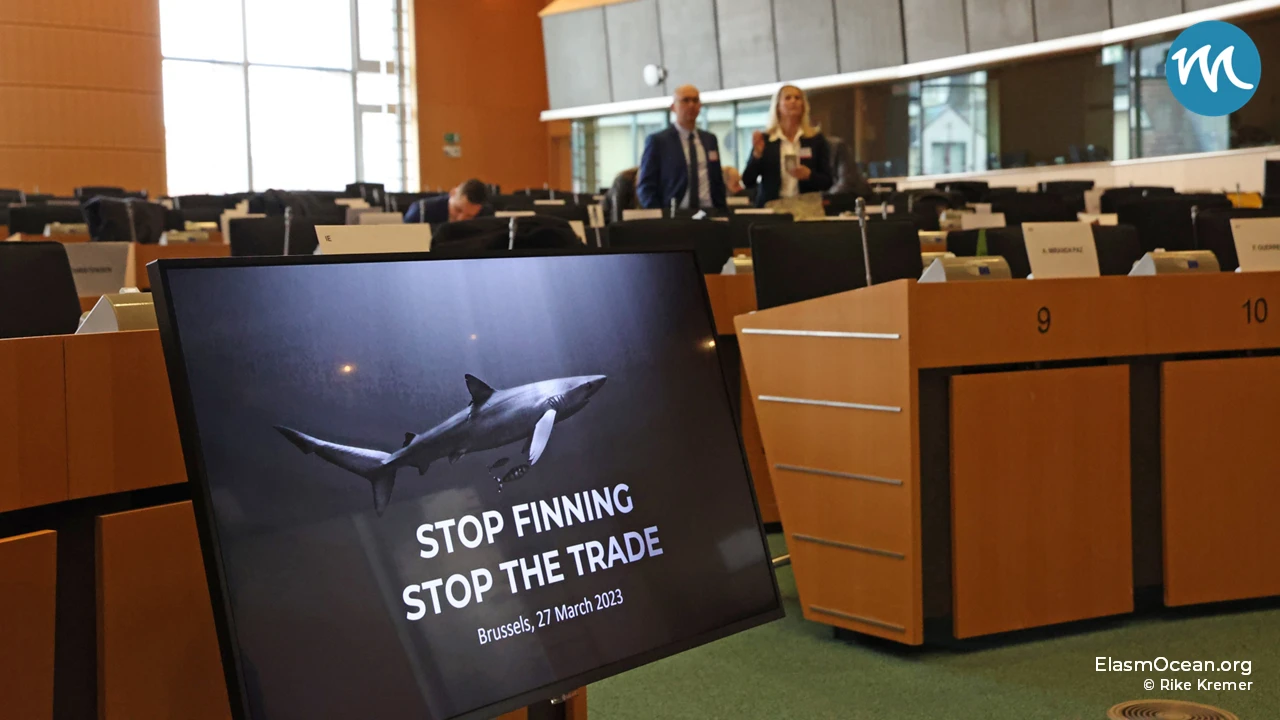
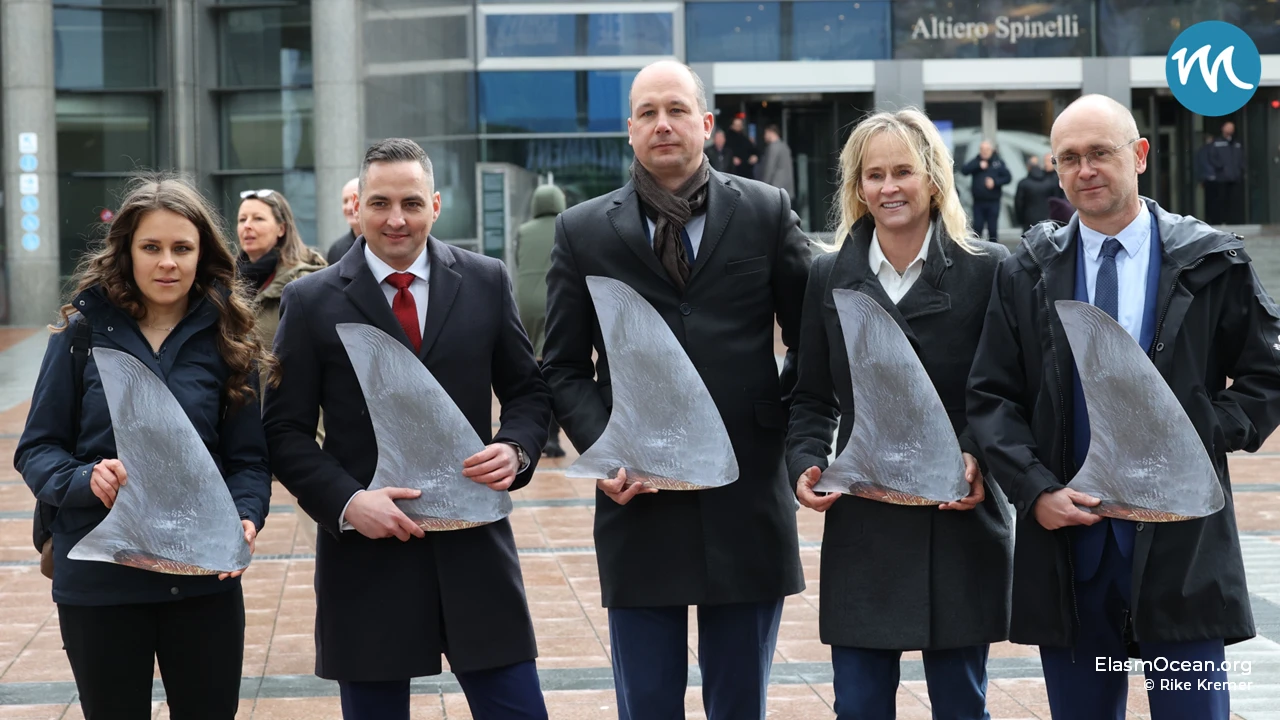
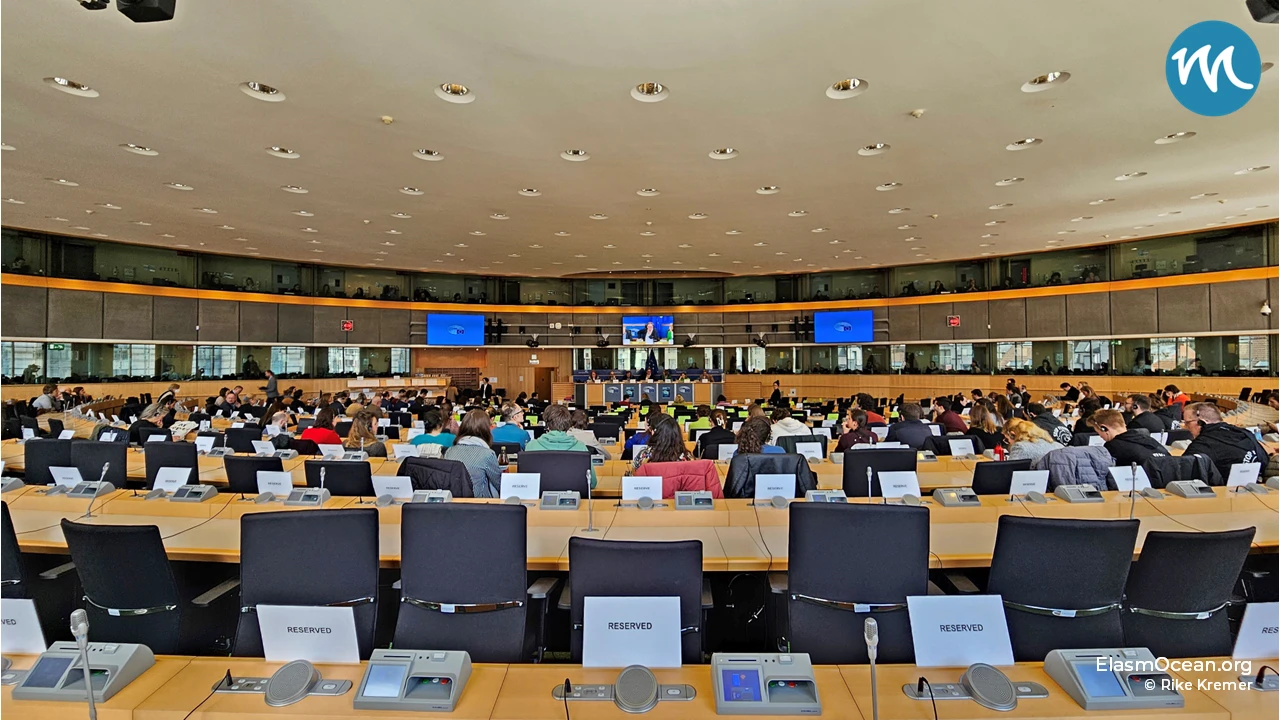
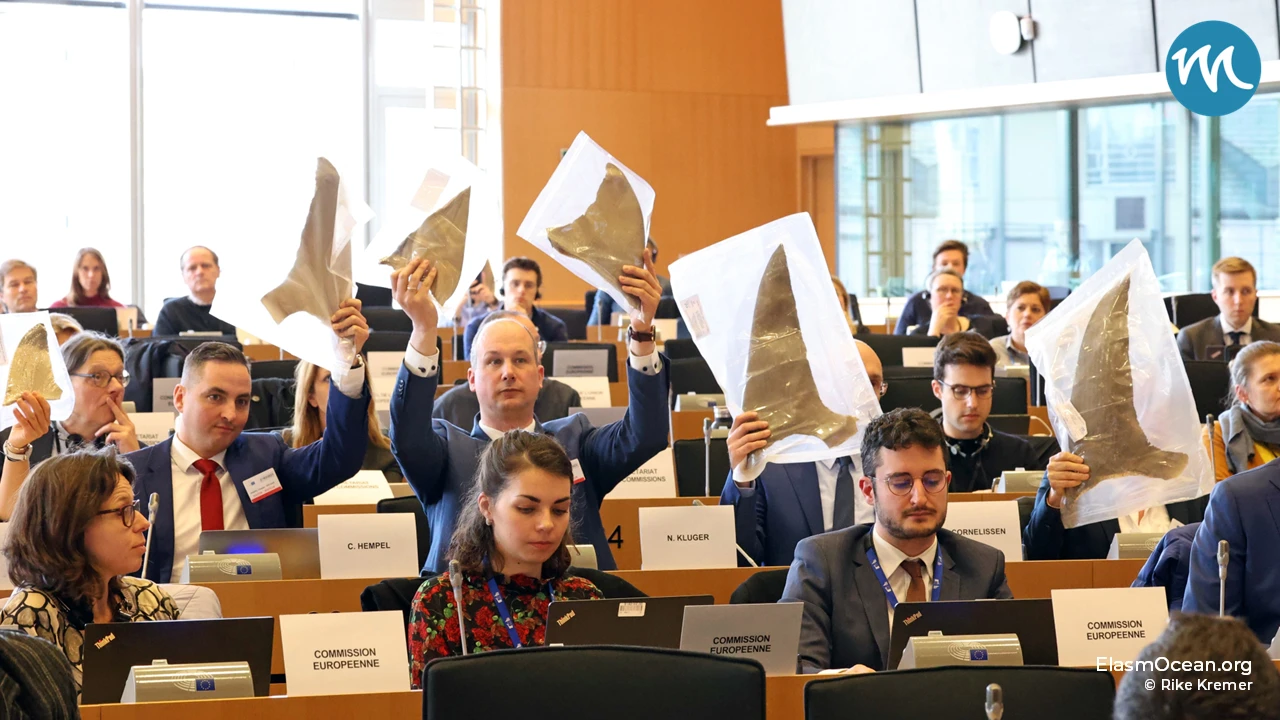
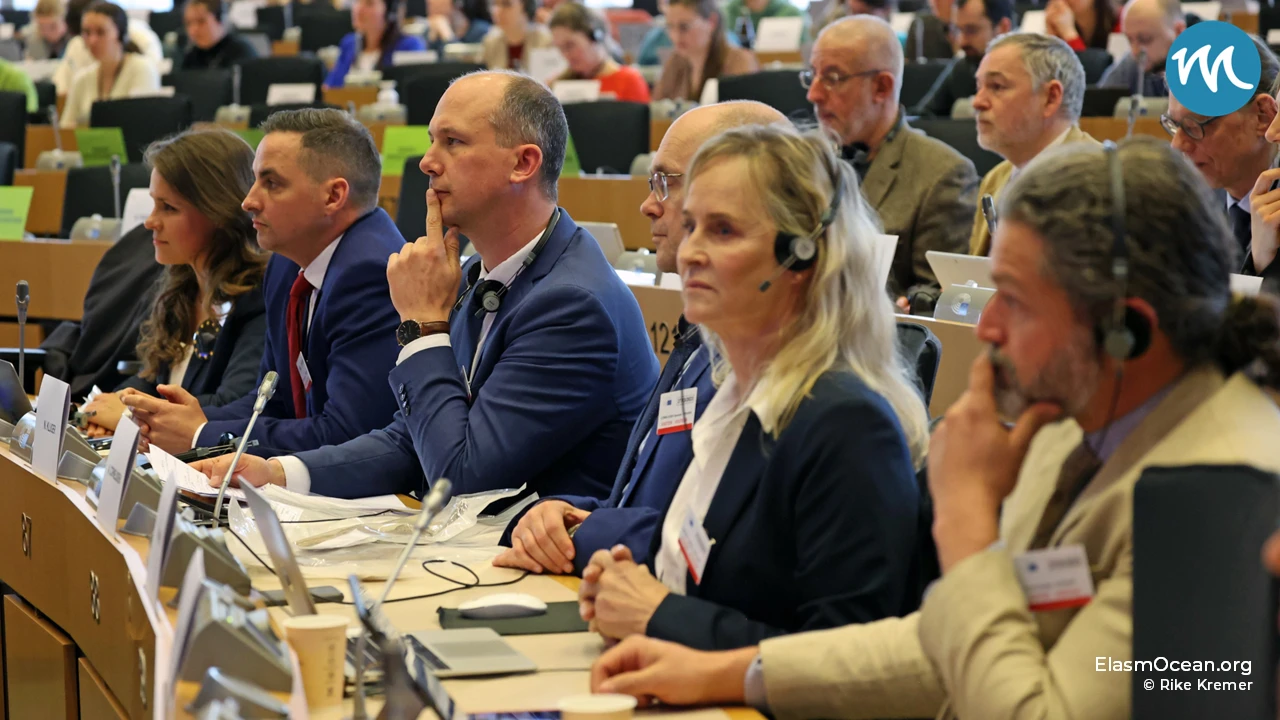
On Monday (27/03/23), the official hearing on the EU Citizens' Initiative StopFinningEU took place before the European Parliament in Brussels. With our support, the initiative had collected 1.1 million signatures from across the European Union, calling on policymakers to end the trade in shark fins: #StopTheTrade.
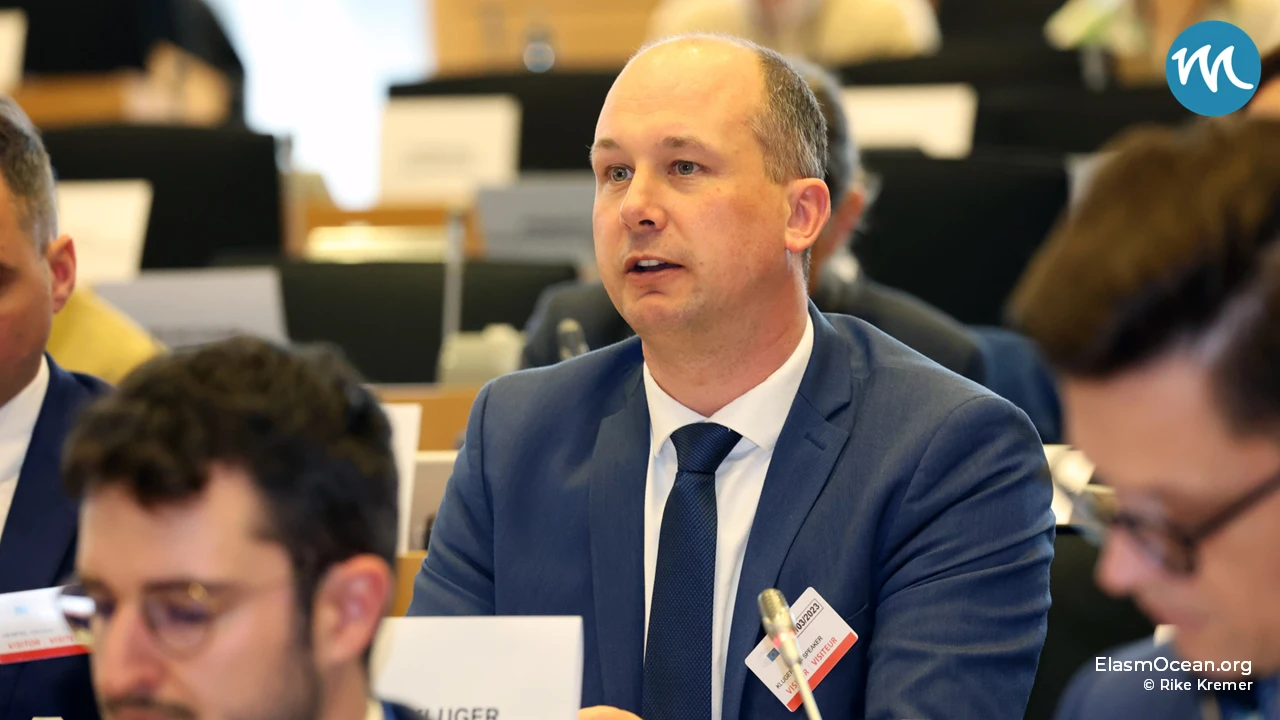
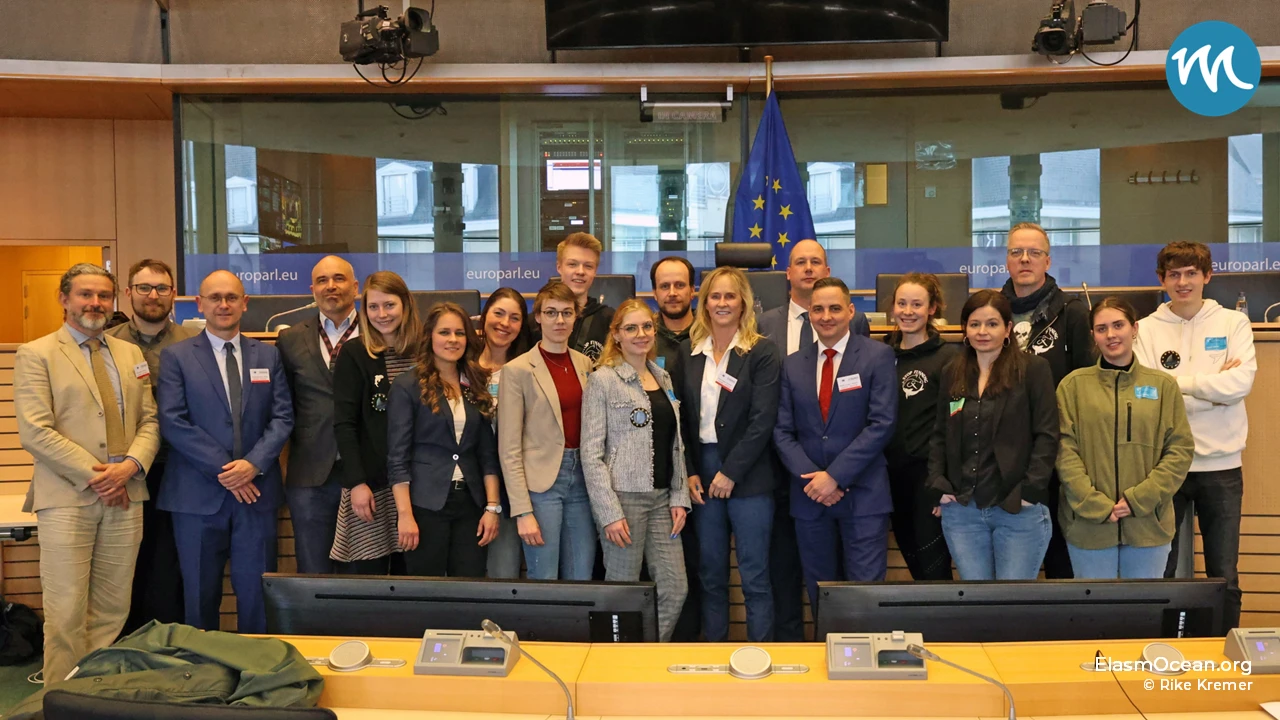
A large and expert delegation travelled to Brussels to outline the objectives to the Members of Parliament. Dr Nils Kluger, spokesperson for the initiative, first outlined the goal: to end finning by drying up the trading market. The EU is a central trading hub for shark fins – without this region, the trade becomes too costly and market forces alone will reduce it.
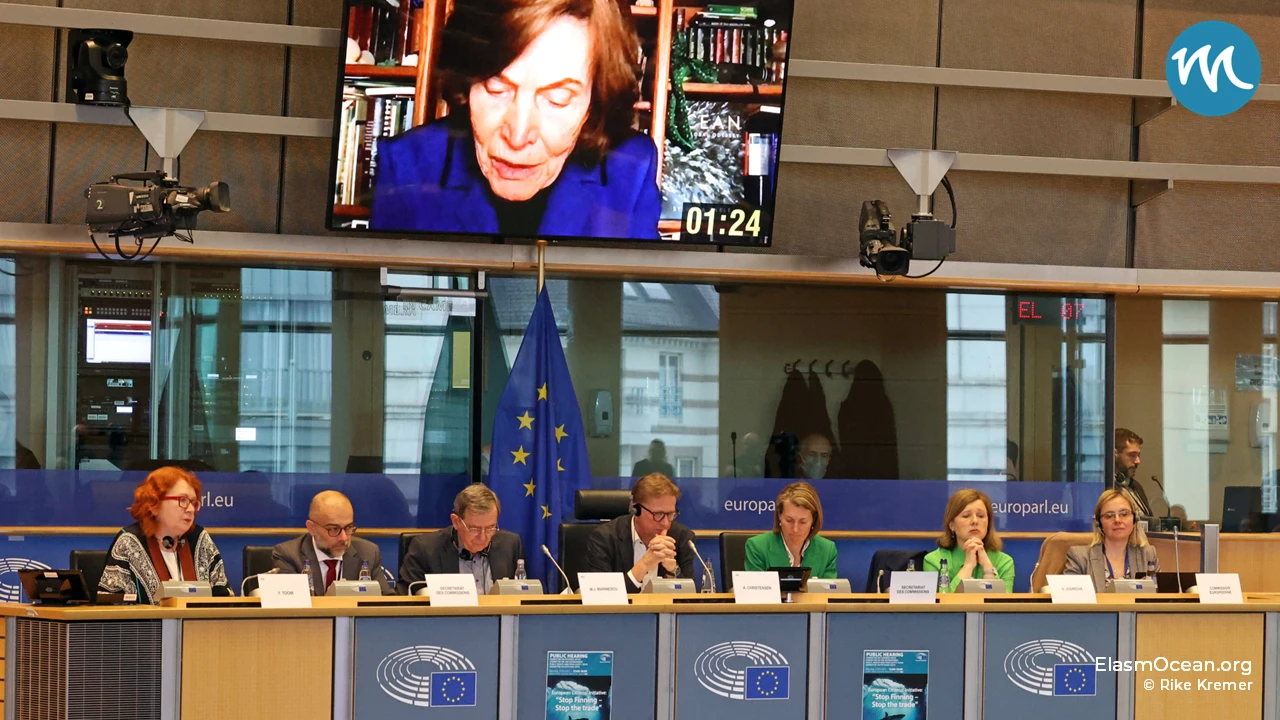
Sylvia Earle, world-renowned shark scientist, then addressed an urgent appeal to the EU leadership to recognise the importance of these species for the oceans: ecosystems collapse without sharks, which would also have massive adverse effects for humans. Moreover, it is not only CITES that protects most of the larger shark species – the 17 UN Sustainable Development Goals and numerous EU laws also intend to protect sharks already, meaning this would merely add one further building block. Alex Cornelissen of Sea Shepherd International supported these statements with his experience in illegal overfishing.
The initiative is permanently represented in Brussels by Stephanie Brendl, known for her achievements in shark conservation in North America. She highlighted in particular the value of healthy shark populations for tourism, an area in which she is currently conducting research.
British expert Bradley Soule finally pointed out that the enforcement of customs and species protection regulations such as CITES is currently failing because control personnel have no way of distinguishing fins of protected species from those of non-protected species. The control of trade bans in international traffic is rendered artificially complex if there is no simple rule: "no fins at all without the shark body".
During the afternoon, there were two attempts to undermine the necessity of such a trade ban through blatantly untruthful sugarcoating – the contributions from the fishing industry lobbyist and a representative of Spain clearly failed to dilute the impact of the eloquent and factually precise presentations: it is high time to do more for the protection of sharks, and a ban on the fin trade in the EU is a highly effective means to achieve this.
The initiative – which is largely due to the commitment of several ElasmOcean members – does not aim to ban individual fishers from their catch, nor to prevent coastal regions from consuming shark meat on a manageable scale: the global trade in shark fins through (and out of) the EU is of a magnitude that disrupts the ecosystem so massively that it must be significantly reduced. For this to work in daily practice, a complete ban is the most effective, and therefore the correct, course of action.
It remains to be seen whether and to what extent the EU will now take action. Stephanie Brendl in particular will be speaking with MEPs and Commission officials in Brussels over the coming months to convince them of the cause. The EU has the power to initiate the correct steps now.
We call upon them to do so.