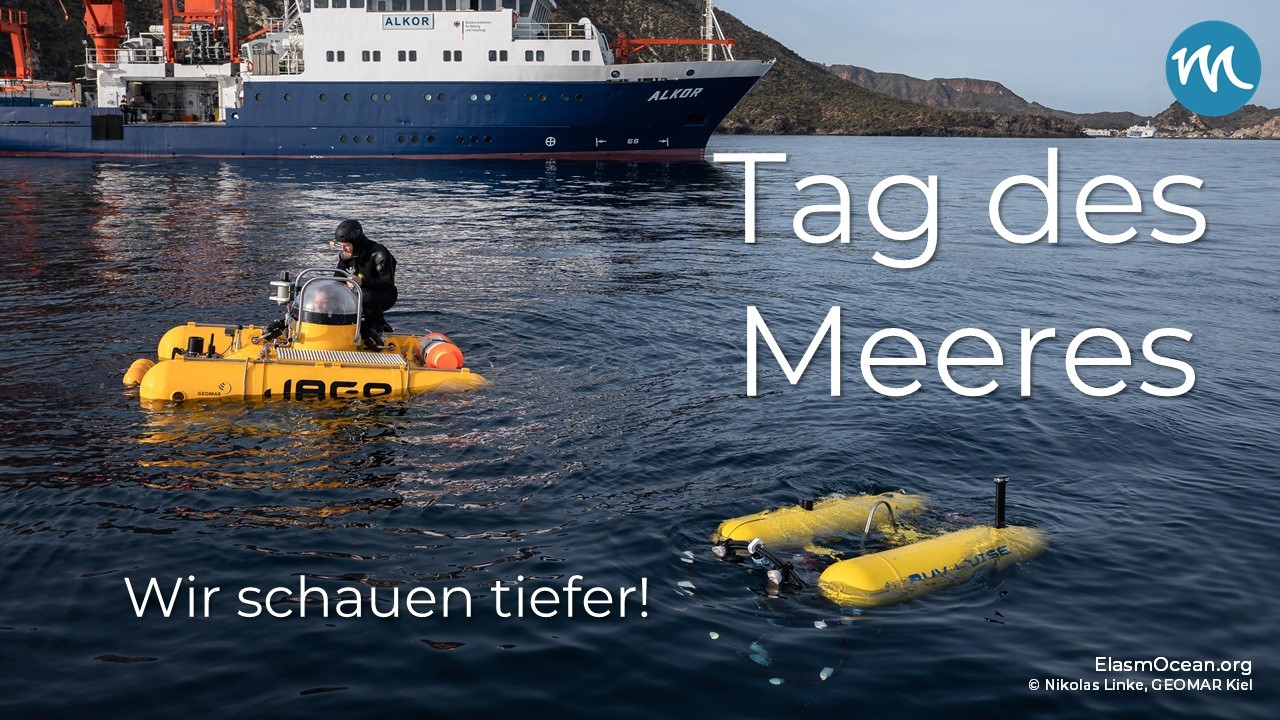
This text was published over a period of three months from World Oceans Day on 8 June until October 2021 as a 12-part series on facebook. We have compiled the posts here into a single article.
World Oceans Day - new series on the deep sea
Over two-thirds of the planet is covered by water. Water is the central element of life — the oceans are indispensable to us. And yet, we know so little about them.
Humans live on land and overlook the ocean — a fatal error to the detriment of future generations. All life originates from the sea.
We protect the sea. The oceans.
We look deeper: starting tomorrow, and every Wednesday thereafter, we will introduce the deep sea over the coming weeks. That incredibly vast region of our planet where life once began — and about which we know less than we do about the far side of the Moon.
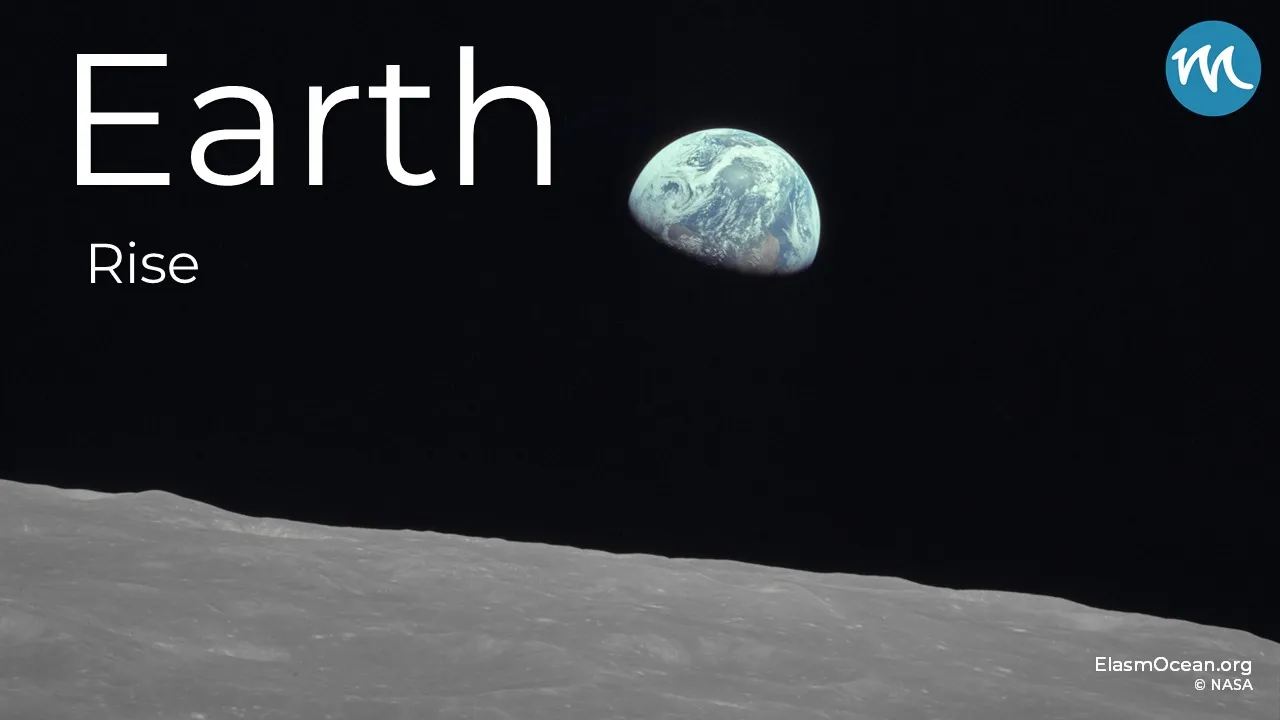
We humans are fascinated by outer space, the search for habitable planets, exciting technology, rockets, spaceplanes, and Mars rovers. One of these space missions provided us with one of the most breathtaking images of our unique planet Earth as a "blue marble". Perhaps the most symbolic photo, "The Earthrise", was captured on 24 December 1968 by Bill Anders, a NASA astronaut, from the Apollo 8 capsule.
It was the first time that humans saw their home planet in its entirety from a distance: a beautiful but vulnerable celestial body that must be protected.
Such photographs are not possible in the deep sea. Nonetheless, we must try to gain a perspective on what lies beneath the surface of the ocean.
For humans, the deep sea remains the least explored region of the Earth to this day. Only four individuals have ever managed to dive to the deepest point, the Challenger Deep in the Mariana Trench in the western Pacific, which is approximately 11 kilometres deep. Even the Moon has had more visitors, namely 12 astronauts. Although it is not visible from Earth, the far side of the Moon is better researched than the depths of the oceans on our own planet.
The ocean has an average depth of 4,000 metres. Much of it, particularly what occurs at greater depths, remains hidden from us — it is dark, and the water pressure is immense, making it a highly inhospitable environment.
Yet, no matter how alien, daunting, and mysterious the deep sea may appear to us, its influence on all life on Earth is profound.
Therefore, we are launching a multi-part series on the "deep sea" to introduce you to some of its inhabitants and report on its (human-induced) dark sides:
Research vessels
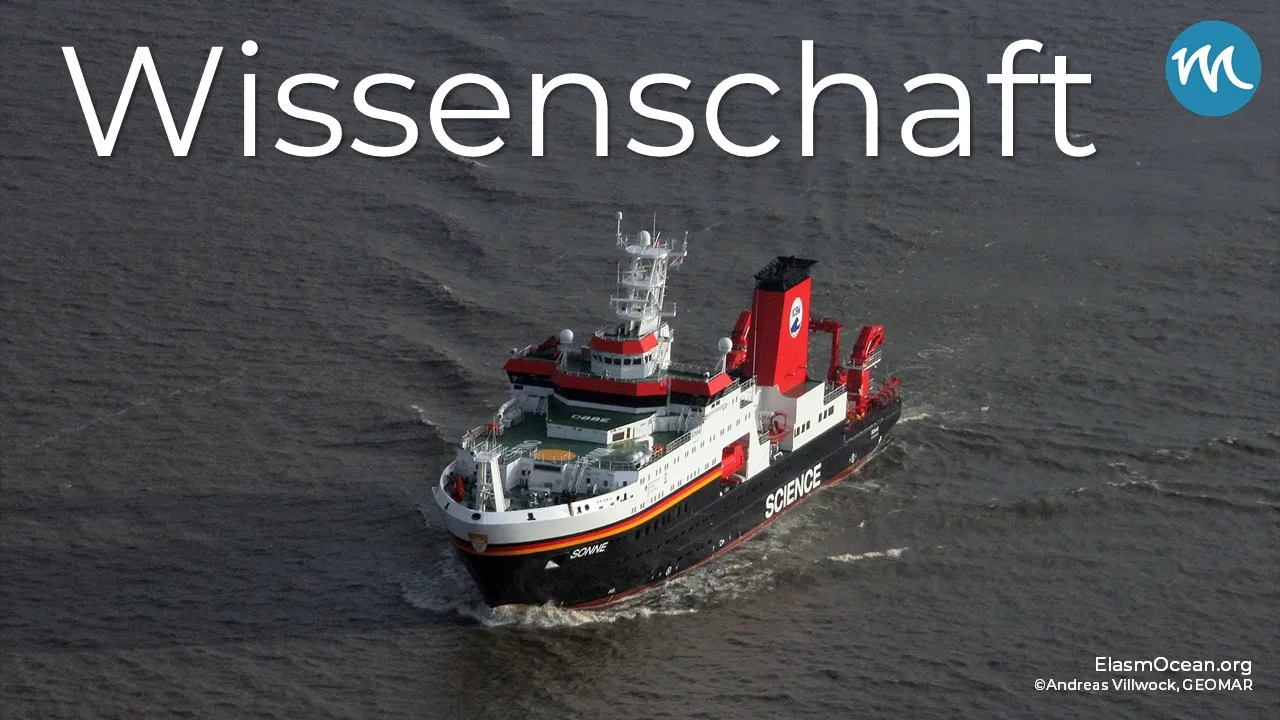
The "Sonne" is the sister ship of the "Polarstern", which became widely known to the public through its legendary 2019/2020 expedition in the Arctic pack ice. Research vessels like these are the most important platforms for marine technology, serving as both a base of operations and a research hub. They vary in size and equipment, making them suitable for a wide range of applications.
Well-equipped laboratories are located on board. Other equipment includes cranes, winches, and, depending on the mission, manned or unmanned submersibles. Devices such as gliders, crawlers, floats, multicorers, landers, and robots sound like equipment from a science-fiction adventure.
The questions that modern deep-sea research aims to answer using state-of-the-art technology are diverse. They concern fundamental questions, such as the geology of the deep-sea habitat. Which organisms live there? How does life withstand the extreme conditions that prevail there, and what value and influence does the deep sea have on life on our planet? What raw materials are contained in the deep sea, and how can they be mined sustainably and profitably? Let alone, do medical active ingredients exist in the deep sea?
Ultimately, and most importantly: how do we protect the deep sea?
Mapping
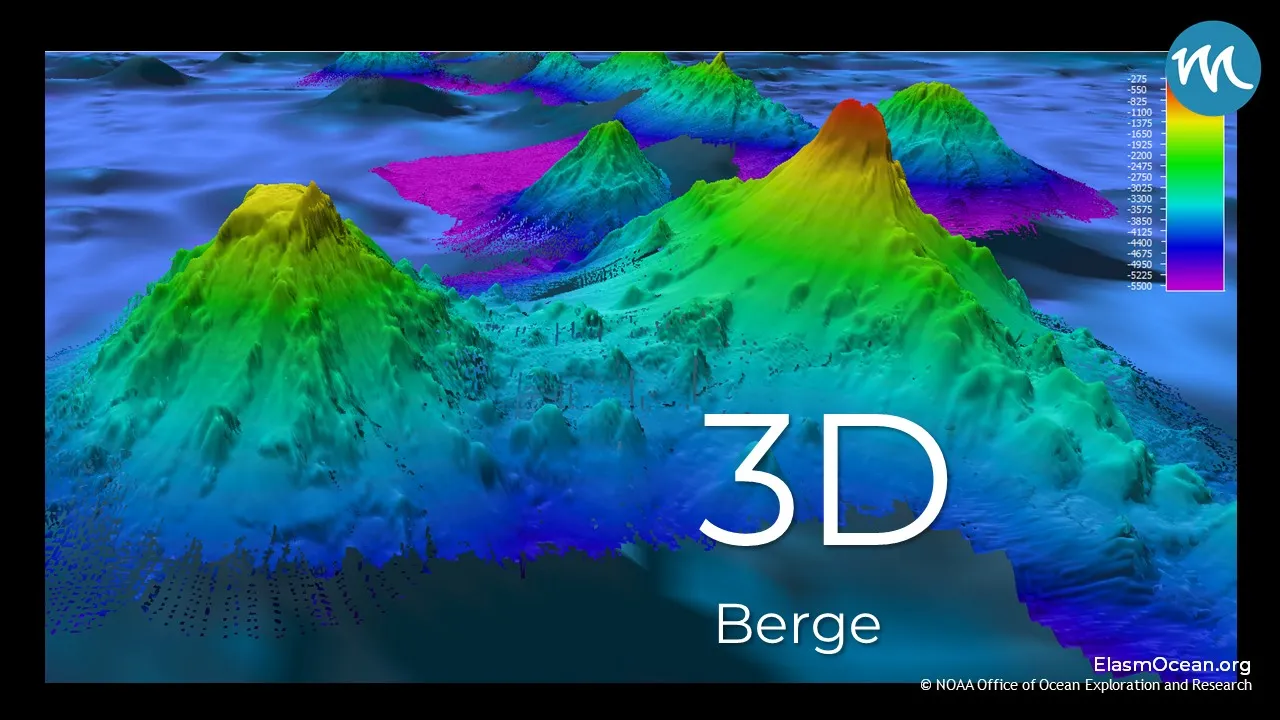
Using state-of-the-art techniques, such as specialised sonar technology, it is now possible to visualise the deep sea as a 3D model. In the image on the right is the seamount Pao Pao in the Pacific Ocean, whose steeply rising peak extends from a depth of around 4,500 metres to within 300 metres of the sea surface. To its left, only 25 km away, is an uncharted mountain. The biological communities at similar depths on the two seamounts vary considerably, despite their close proximity. To date, around 100,000 such underwater mountains have been mapped worldwide, mostly in the Pacific. Their flanks are true oases of life with complex communities thriving in perpetual darkness. Yet, life bustles here.
Source:
Maxon, A (2021): Cruise Report: EX-17-03, Discovering the Deep: Exploring Remote Pacific Marine Protected Areas (ROV and Mapping). National Oceanic and Atmospheric Administration, Office of Ocean Exploration and Research. https://doi.org/10.25923/Y9NQ-3P80
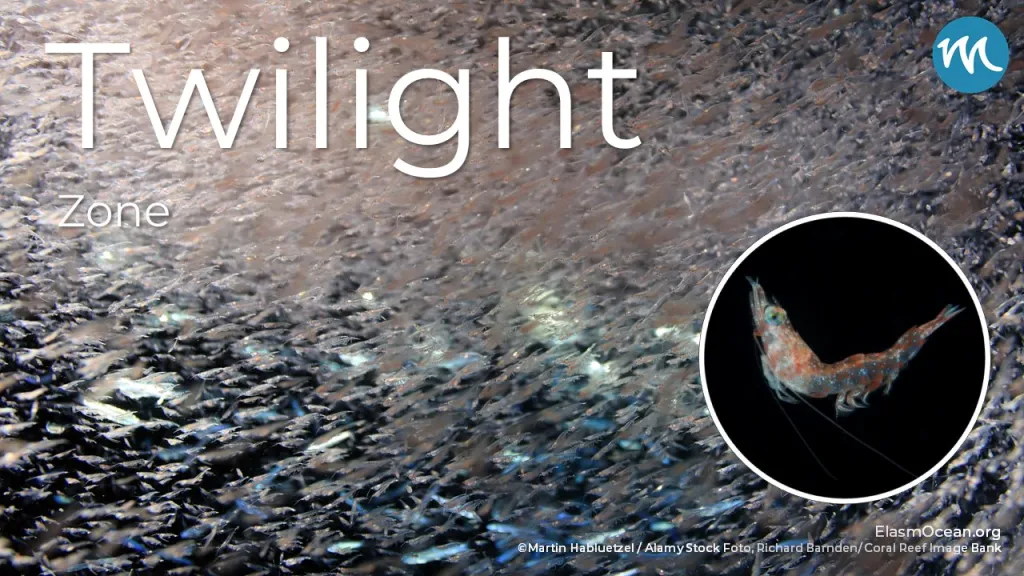
The Twilight Zone
The deep sea begins where light fades, in the twilight zone at a depth of approximately 200 to 1,000 metres. Few people are aware that the largest migration on Earth occurs day after day in our oceans. At dusk, millions of organisms belonging to the zooplankton and micronekton — including jellyfish, shrimp, small fish, and squid — migrate vertically from the twilight zone to the surface to feed. They take advantage of the cover of darkness at night to avoid the fast, agile predators that normally hunt in the sunlit layers of the ocean.
Some fish species travel up to 1,600 metres daily to reach the surface. At dawn, they descend once again to digest in the safety of the dark waters of the deep sea. Through this daily migration of billions of animals, carbon is actively transported from the surface into the deep ocean — functioning as an active biological pump. However, many of these vertical migrants do not make it back to the depths. The route they take under the cover of night over the seamounts becomes their undoing as they descend in the morning. Their path over the shallow seabed at the peaks and slopes of the seamount is blocked. Predators, already waiting for their return, attack those trapped in waters rapidly illuminated by the rising sun. This occurs day after day.
Source:
Senckenberg "Vielfalt in der Dunkelheit" ISBN 978-3-510-61415-8
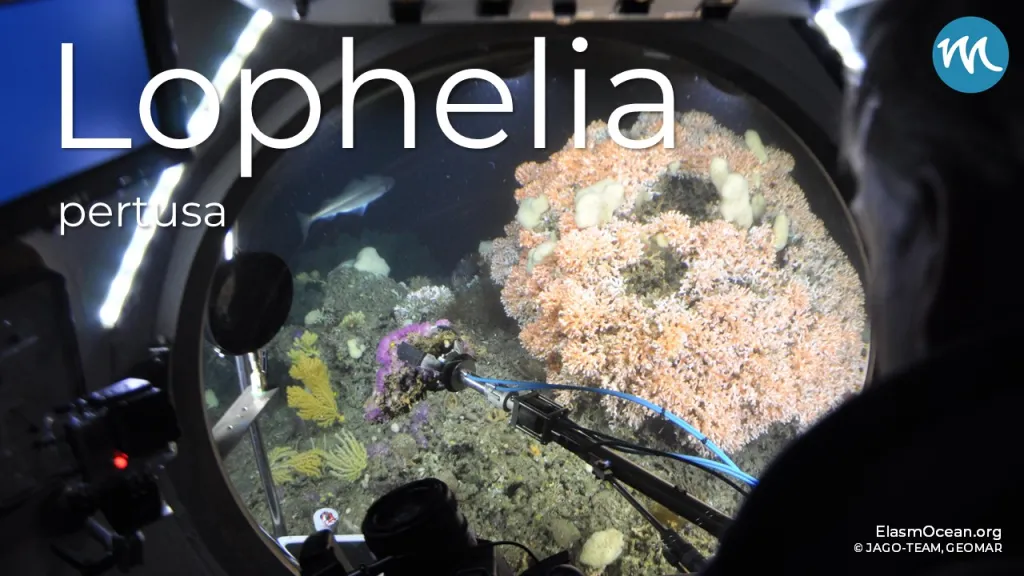
Lophelia pertusa
Allow us to introduce: Lophelia pertusa, a cold-water coral. We have only been able to intensively study its habitat and, above all, its vast distribution over the past 30 years due to the use of advanced, modern technologies. In fact, half of the known stony coral species live at great depths, in low water temperatures and predominantly in complete darkness. Hidden here, coral gardens grow, providing a habitat for countless species of fish, molluscs, crabs, echinoderms, and microorganisms. While their relatives, the tropical corals, rely on sunlight, form symbioses with unicellular algae (zooxanthellae), and utilise the products of photosynthesis, deep-sea corals in the dark depend on water currents to transport food particles to them. The corals extend their tentacles into the current to filter out nutrients.
Deep-sea corals live predominantly at depths of 250 to 1,200 metres on continental slopes, steep underwater seamounts, the flanks of major oceanic banks, and in the fjord and sound regions of high latitudes. Thus, these deep-sea corals have a vastly wider geographical distribution. Here are a few impressive examples: in the waters of Norway, there are over 6,000 mapped reefs. South of Ireland, there are approximately 2,000 coral mounds rising up to 350 m high. Off the coast of Mauritania in Northwest Africa, a chain of coral mounds 580 km long and about 100 m high stretches through the deep sea. Lophelia colonies can be envisioned as a wall of mouths with extended tentacles, which the individual polyps use to capture live zooplankton, subsequently killing them with their cnidocytes.
Source:
Senckenberg "Vielfalt in der Dunkelheit" ISBN 978-3-510-61415-8
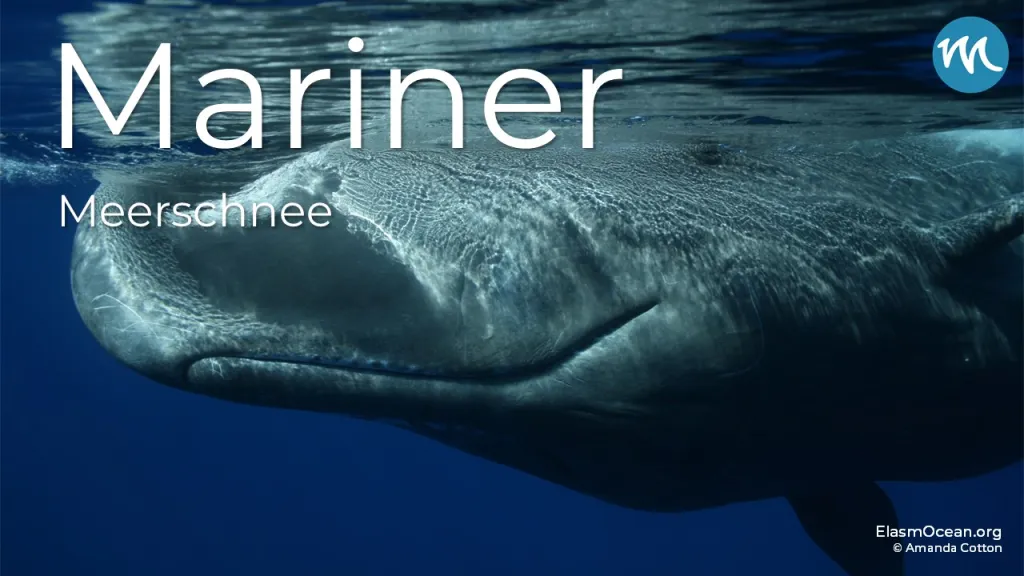
Marine Snow
How do deep-sea marine organisms obtain nutrients? Throughout much of the oceans, "snow" drifts from the water surface down to the ocean depths all year round: "marine snow". This consists of organic matter, namely the waste and remains of marine plants and animals, which drift through the water in the form of small particles. Around one percent of this organic material — in the form of dead cells, dead zooplankton, animal carcasses, faecal pellets, and other excretions — sinks to the deep sea or the seabed, where it is buried by sediments. Thanks to this process, carbon from atmospheric CO2 is stored in the depths for hundreds of thousands of years. Our oceans are thus the largest carbon sink in the Earth system.
Sources:
Dr. Alex Rogers, „Das grosse tiefe Blau“ dtv Verlag ISBN 978-3-423-28204-8; Dr. Astrid Gärdes, Leibnitz-Zentrum für Marine Tropenforschung / ZMT
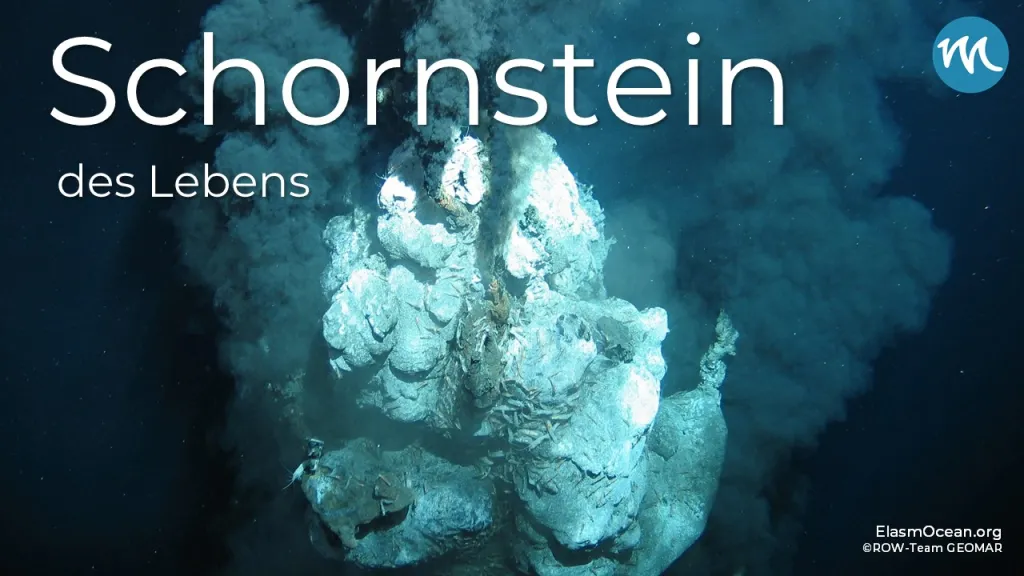
Primordial chimneys of life
At "black smokers", which reach an average height of 20–25 metres, the plume of emissions is blackish-grey because the venting water contains iron-bearing sulfides. Extreme conditions prevail here, including complete darkness, water temperatures fluctuating between 2°C and 400°C, high pressure, and high concentrations of toxic compounds. Nonetheless, life thrives here. Life finds a way. Black smokers are densely populated oases on the otherwise barren deep-seabed.
Sulfur bacteria utilise hydrogen sulfide and other dissolved minerals as an energy source, a process known as chemosynthesis. The sulfur bacteria live as symbionts in the gills of vent mussels or in the modified digestive tract of tube worms, providing these animals with nutrients. In return, the bacteria find protection and are supplied with carbon dioxide, oxygen, and hydrogen sulfide via the host's circulatory system. The biological communities that form here include representatives of the cnidarians, as well as echinoderms (starfish, sea urchins), bivalves, gastropods, crabs, and shrimp — a remarkably active habitat under extreme temperatures.
Sources:
marum.de/Entdecken/Heisse-Quellen.html; Senckenberg „Tiefsee“ ISBN 978-3-61415-8
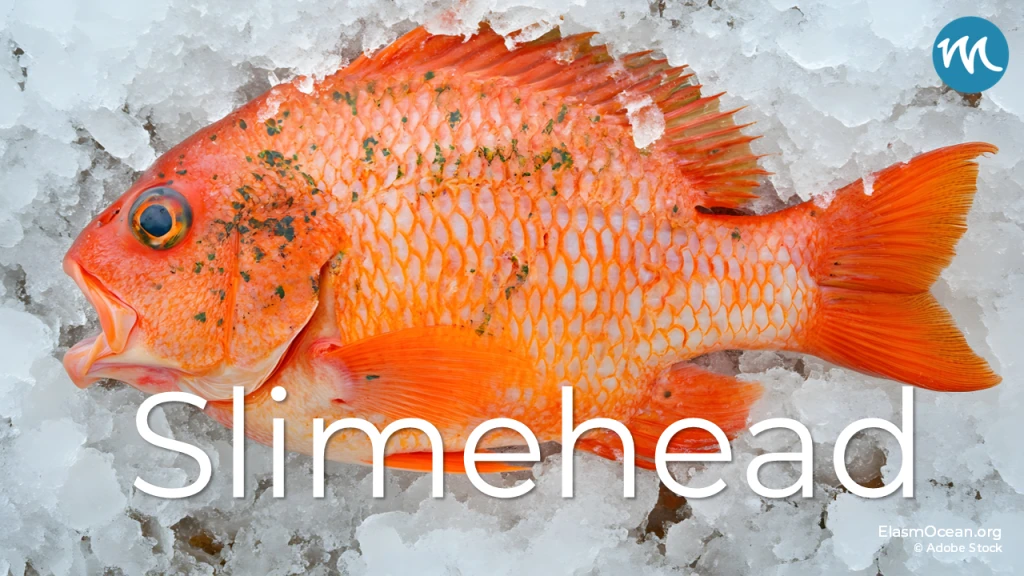
The Orange Roughy
Although the deep sea is almost inaccessible to humans, this habitat is threatened by human activity. Grouped industrial fishing fleets with bottom trawls operate globally at depths of up to 2,000 metres. An example of this is the history of the orange roughy, historically known in English as the "slimehead". Marketing strategists gave it the more appealing name "Orange Roughy", as the name "slimehead" was unlikely to succeed on the fish market. It lives at depths of 400 to 1,800 metres on continental slopes and seamounts and grows up to 75 cm long. It does not reach sexual maturity until about 30 years of age and produces few offspring. One could say that the orange roughy is characterized by extreme slowness, and that is precisely its vulnerability.
Its nickname among fishers, "red gold", was a precursor of depletion. It was discovered by Soviet and New Zealand fisheries in the late 1970s on the Chatham Rise, east of New Zealand. This large plateau extends to the Chatham Islands at a depth of 350–400 m, where southern and northern ocean currents meet. The high nutrient content attracts fish, including the orange roughy. Initially, around 50,000 tonnes of this fish — which does not taste like typical fish and rapidly became popular — were caught annually. By the year 2000, the stocks around New Zealand collapsed, resulting in zero tonnes caught in some areas. A species fell victim to human exploitation.
Sources:
Rosenberg, A.A. (2016): Full Assessment New Zealand Orange Roughy Fisheries. MSC ORH Public Certification Report. MRAC Americas.
Claudia Füßler: Gejagter Schleimkopf aus der Tiefsee. Zeit, 2012.
https://www.zeit.de/wissen/umwelt/2012-05/unterschaetztes-tier-granatbarsch
Deep-sea fisheries
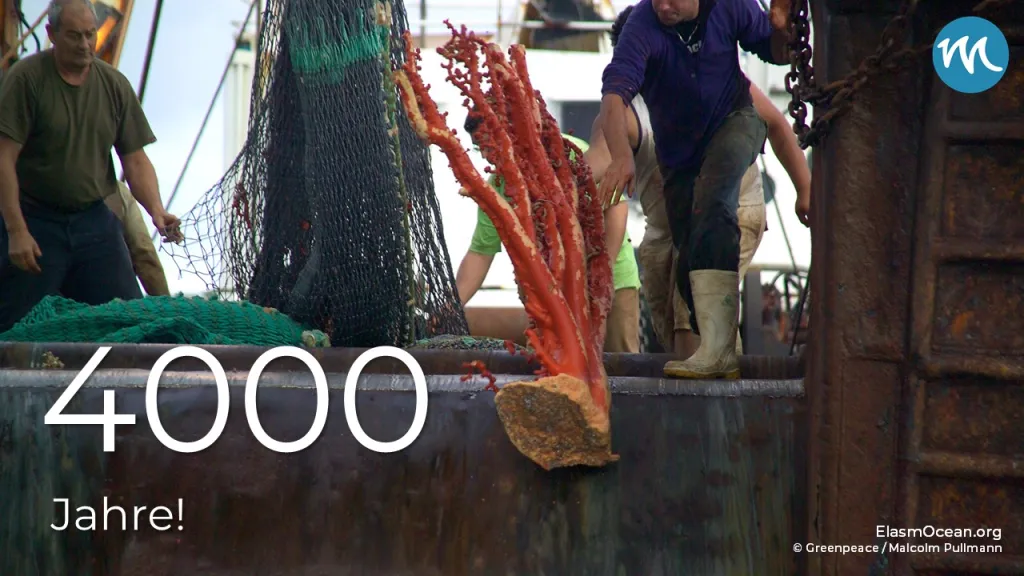
On underwater seamounts off New Zealand, a unique fish lives in a highly specialised ecological community: the orange roughy. Reaching sexual maturity only from around 30 years of age, it is highly vulnerable to fishing pressure, which is why fishing for it was banned by Australia and New Zealand in 2007.
No sooner had the stocks recovered slightly than the practice resumed — New Zealand's bottom trawl fishery for orange roughy has been MSC-certified since 2016. In doing so, it is accepted that deep-sea corals, which are protected under New Zealand law, are systematically destroyed. In some areas, up to 51% of the seabed is swept by bottom trawls and thus irretrievably degraded. Some of the deep-sea corals living there grow less than a millimetre a year.
Statement of the MSC: "As a condition of certification, the fishery must develop a plan to increase the understanding of fishing impacts on protected coral."
As a long-term observer of MSC practices, one is familiar with this approach. The initial certification is valid for five years — years in which the fishery can continue unimpeded as before. Whether any changes will occur in 2022 remains highly questionable. Until then, ancient deep-sea habitats are irretrievably destroyed — and MSC-certified.
Original quotation from the MSC: “As a condition of certification, the fishery must develop a plan to increase the understanding of fishing impacts on protected coral.”
Sources:
MSC (2016): Orange Roughy Fact Sheet 2016. https://www.msc.org/docs/default-source/default-document-library/media-centre/msc-orange-roughy-factsheet-2016.pdf
Rosenberg, A.A. (2016): Full Assessment New Zealand Orange Roughy Fisheries. MSC ORH Public Certification Report. MRAC Americas.
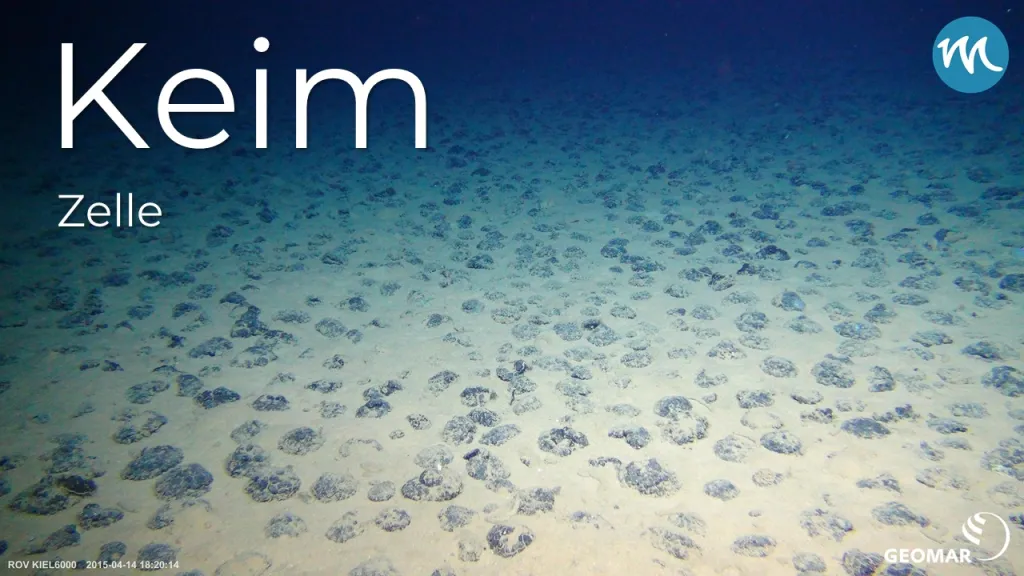
Manganese nodules
At depths of 4,000–6,000 metres, accumulations of various metals measuring 10 to 20 centimetres in size have formed over millions of years. The majority consists of manganese (27%), along with iron, nickel, copper, cobalt, gold, and rare earth elements. The tiny metal particles deposit only on hard surfaces, which is why shark teeth or large grains of sand are frequently found as nuclei in the centre of manganese nodules. Since these raw materials are required for the manufacture of electronic devices such as mobile phones and tablets, the large-scale extraction of manganese nodules is currently being researched, as terrestrial resources are expected to be depleted soon. It is anticipated that in approximately 10 years, sufficiently advanced industrial technology will be available to mine manganese in the deep sea.
Three locations are being considered. In the central Pacific Clarion-Clipperton Zone in the eastern Pacific — which contains 34 billion tonnes of manganese nodules and extends over a length of approximately 4,500 kilometres from the EEZ (Exclusive Economic Zone) of the island nation of Kiribati to just outside the EEZ of Mexico (an area half the size of Europe) — many countries have already staked claims. To date, 30 licences have been granted worldwide by the International Seabed Authority (ISA), covering a total of 2.5 million km².
However, mining operations also threaten the habitat of a unique and diverse biological community.
We are thus destroying an ecosystem that has not even been sufficiently researched for us to know WHAT we are destroying, with unforeseeable consequences for humanity as well.
Sources:
https://www.isa.org.jm/.../clarion-clipperton-fracture-zone
Vanreusel, A. et al. (2016): Threatened by mining, polymetallic nodules are required to preserve abyssal epifauna. Sci. Rep. 6, 26808; doi: 10.1038/srep26808
Dr. Matthias Haeckel, GEOMAR, personal communication (27.1.2021)
Moratorium
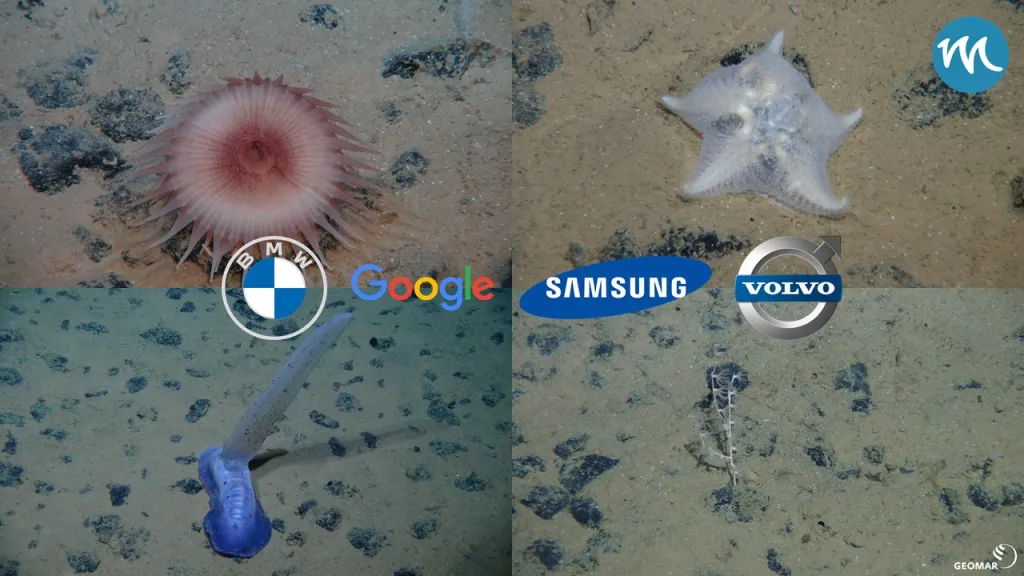
There is still hope for the deep sea. Four global corporations have taken a stand so far: BMW, Google, Samsung, and Volvo are calling for an international moratorium on the mining of manganese nodules in the deep sea. These corporations all share the concern that an irreplaceable ecosystem will be destroyed there, for thousands, if not millions, of years.
Meanwhile, planning is fully underway, and mining companies even claim that extracting manganese nodules from the deep sea is more sustainable than land-based mining.
We must hope that more global corporations will follow suit, and that technologies will be developed to recycle and re-purpose existing materials.
Source:
David Shukman: "Companies back moratorium on deep sea mining". BBC News 3 April 2021. https://www.bbc.com/news/science-environment-56607700
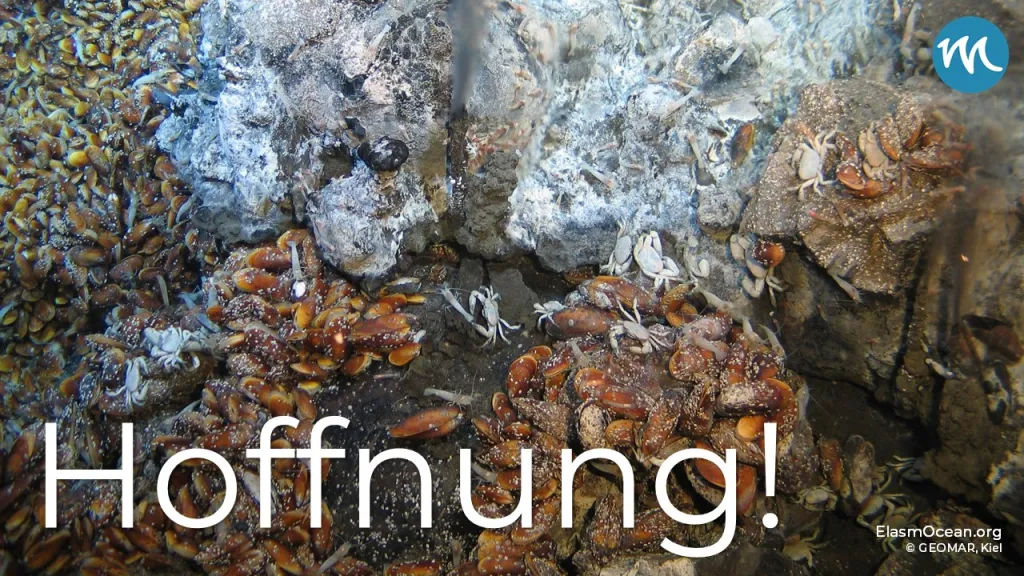
ElasmOcean conclusion of the series on the deep sea
Science is learning more and more about the "deep-sea habitat" and is now able to clearly document how vital and, above all, how sensitive it is. Ancient geological structures, corals that are thousands of years old, fragile organisms, and habitats that seem entirely alien to us make up a major part of the marine ecosystem. All of this occurs out of our sight, with the exception of the few impressions gathered by a handful of researchers who venture into the deep sea using sophisticated technology. To date, 14,000 species have been newly discovered, and the count increases with every research dive.
At the same time, anthropogenic pressures on the deep sea are intensifying: fisheries and deep-sea mining threaten habitats and biodiversity.
We must hope that humanity will reconsider, that more companies will join the moratorium to halt manganese mining, and that technologies and recycling processes will be developed to render deep-sea exploitation redundant. Most importantly, however, humanity must take the climate crisis seriously and drastically reduce CO2 emissions into the oceans, which is also essential for saving the deep-sea habitat.